Tag: self – reflection

  • Waking Up at 5 AM

    Discipline, Benefits & More

    Why I Decided to Wake Up at 5 AM

    I’d read about successful people who wake up at five in the morning. CEOs, athletes, and high achievers all seem to rise with the sun—or even before it. So I asked myself, what would happen if I tried it?

    I wasn’t a morning person. In fact, I hit snooze too often. But I wanted a change. I craved clarity, structure, and extra hours in my day.

    The First Few Days—Shock to the System

    Let’s be real. The first few days were tough. I dragged myself out of bed, groggy and irritated. My body screamed for more sleep. My mind was foggy.

    By day three, I felt like quitting. But I stuck with it.

    My trick? Placing my alarm across the room. I had to physically get up to turn it off.

    Adjusting My Sleep Schedule

    Waking up early forced me to sleep earlier. I couldn’t survive on five hours of rest. So I aimed to be in bed by 9:30 PM.

    That meant:

    • Cutting screen time after 8 PM
    • Reading a physical book before bed
    • Keeping lights dim in the evening

    I used calming music and a sleep mask. It worked. Falling asleep became easier over time.

    Building a Morning Routine

    Having more time in the morning was powerful—but only if I used it well. I quickly learned that wandering aimlessly killed my motivation.

    So I created a loose routine:

    1. Wake up at 5:00 AM
    2. Drink water and stretch.
    3. Journal for 10 minutes
    4. Meditate or walk.
    5. Plan my day.

    That routine gave my mornings purpose. I wasn’t rushing anymore.

    warm coffee drink
    Photo by Daria Obymaha on Pexels.com

    Productivity Before Sunrise

    Something magical happened. Without the noise of the world, I focused better. There were no emails, no messages—just quiet.

    I tackled deep work tasks like writing and planning. Creative ideas flowed faster. My mind felt sharper.

    By 9 AM, I had done more than most people do all day.

    The Unexpected Challenges

    Not everything was perfect. Social life took a hit. Friends wanted to hang out late. I had to say no often.

    Weekends were tricky too. I wanted to sleep in. But doing so threw off my rhythm.

    And yes, there were days I felt burnt out—especially when I skipped meals or stayed up too late.

    Energy and Mood Shifts

    In the mornings, I felt great—alert, calm, and positive. My mood lifted naturally.

    But by mid-afternoon, I sometimes crashed. I learned to take short walks or power naps around 2 PM. That helped.

    Overall, waking early gave me emotional stability. I felt more in control.

    Nutrition and Hydration

    I used to skip breakfast. Not anymore.

    Now, I ate something light but nutritious—like eggs, oatmeal, or a smoothie.

    Hydration was key. I started every day with two glasses of water. It boosted my energy and focus.

    Surprisingly, I craved less junk food throughout the day.

    Exercise and Movement

    Working out early wasn’t easy at first. But I noticed something: even light stretching or yoga woke me up faster than coffee.

    I added 20-minute workouts three times a week. That combo of movement and early sunlight helped regulate my sleep and boosted my mood.

    What I Learned About Discipline

    At first, I relied on willpower. But that faded fast.

    So I built systems. I laid out clothes the night before. After prepping breakfast, I turned off electronics at a set time.

    Soon, waking up early felt automatic. I didn’t need to fight myself anymore.

    Sleep Quality Improvements

    The quality of my sleep improved. Even though I was waking up earlier, I felt more rested.

    I used sleep tracking apps like Sleep Cycle. I avoided caffeine after 2 PM. My room was cool and dark.

    As a result, I had fewer nightmares and slept deeper.

    Comparing to My Old Routine

    Before this experiment, I rushed through mornings. I skipped breakfast and scrambled to get ready.

    Now? My mornings are calm. I move with purpose. I start work earlier and finish sooner.

    My life feels less chaotic.

    Long-Term Sustainability

    So, will I keep waking at 5 AM?

    Maybe not every day. But I’ll aim for most weekdays. I’ve found a groove that works.

    On weekends, I allow more sleep—without guilt. Flexibility is key.

    Final Verdict—Is 5 AM Worth It?

    Waking up at 5 AM changed how I see time. I gained hours, focus, and peace.

    But it’s not for everyone. If you’re a night owl or work late shifts, it might not suit your lifestyle.

    Still, I believe everyone can benefit from intentional mornings—no matter the hour.

    FAQs – Waking Up at 5 AM

    Q1: Is it healthy to wake up at 5 AM every day?

    Yes, if you get enough sleep. Aim for 7–9 hours each night.

    Q2: How long does it take to adjust?

    Most people need 1–2 weeks to fully adjust.

    Q3: Do I need to follow a strict morning routine?

    Not strictly, but having a plan helps you stay focused.

    Q4: Can I still have a social life?

    Yes, but you’ll need to balance it. Early nights may mean fewer late outings.

    Q5: What if I miss a day?

    It’s okay. Just reset the next night. One off-day won’t ruin progress.

    Q6: What time should I go to bed?

    Count backward from 5 AM—ideally, you should be asleep by 9:30 or 10 PM.

    Conclusion

    Waking up at 5 AM taught me discipline, calm, and better time use. The shift wasn’t easy, but it was rewarding. Whether you wake up early or late, what matters most is owning your morning.

    Want to try it? Start small. Set your alarm 15 minutes earlier. Build from there.

    You might surprise yourself.

  • How to Stop Procrastinating and Get More Done Today: 17 Proven Tactics That Work Fast

    How to Stop Procrastinating and Get More Done Today: 17 Proven Tactics That Work Fast

    Understanding Procrastination

    We all do it. You sit down to work, but somehow, you’re scrolling Instagram or reorganizing your desktop folders. That’s procrastination. It’s the act of delaying something important in favor of doing something easier or more enjoyable.

    Common triggers include fear of failure, lack of clarity, low energy, and perfectionism. Recognizing why you’re procrastinating is the first step in fighting it.

    selective focus photo of a spiral notebook
    Photo by Tara Winstead on Pexels.com

    The Psychology Behind Delay

    Your brain is wired to avoid pain and seek pleasure. Tasks that seem hard or unpleasant trigger resistance. In contrast, distractions offer instant rewards. Over time, this cycle forms a habit.

    But the good news? You can retrain your brain. Once you understand the cycle, you can break it and form new habits.

    Signs You’re Procrastinating

    Some signs are obvious: ignoring deadlines, watching Netflix instead of finishing that report.

    Others are sneaky:

    • Constantly organizing instead of executing
    • Over-researching tasks
    • Feeling overwhelmed but doing nothing

    Watch for these signs. Awareness is powerful.

    Impact of Procrastination on Productivity

    The cost of procrastination is high:

    • You miss deadlines.
    • Projects stay unfinished.
    • Anxiety builds up.
    • Confidence drops.

    The longer you delay, the harder it gets. That’s why acting now is so crucial.

    How to Stop Procrastinating and Get More Done Today

    Let’s get into action. These steps are designed to be practical. You can start using them today.

    Start with a Small Task

    Big tasks overwhelm. Instead, start small.

    Use the 2-Minute Rule: If something takes under 2 minutes, do it now.

    Once you begin, momentum builds. That’s the power of action.

    Set Clear, Achievable Goals

    Vague goals kill progress. Make goals:

    • Specific
    • Measurable
    • Achievable
    • Relevant
    • Time-bound

    For example, instead of saying “I’ll work today,” say “I’ll write 300 words before lunch.”

    Use Time Blocks to Stay Focused

    Time blocking means scheduling chunks of your day for specific tasks.

    Here’s a simple example:

    Time Task
    9:00–10:00 Writing blog posts
    10:00–10:15 Break
    10:15–11:00 Respond to emails

    Stick to it. Structure creates flow.

    Eliminate Distractions

    Notifications kill focus. Silence your phone. Close unused browser tabs.

    Try tools like

    • Freedom (blocks sites)
    • Forest (gamifies focus)
    • Noisli (background noise)

    Also, tidy your desk. A clean space helps you think clearer.

    Practice the Pomodoro Technique

    This method uses a timer:

    • 25 minutes work
    • 5-minute break

    After four rounds, take a longer break.

    It’s simple and powerful. Try the Focus Keeper or Pomofocus apps.

    Reward Yourself After Tasks

    Dopamine drives behavior. Reward your effort, not just results.

    Ideas:

    • A coffee break
    • Watch one episode.
    • Play your favorite song.

    Celebrating small wins keeps you going.

    Build Routines, Not Willpower

    Willpower fades. Habits stick.

    Use habit stacking: link a new habit to an old one.

    Example: “After brushing my teeth, I write my to-do list.”

    Keep a Task Journal

    Write down what you did, what worked, and what didn’t.

    It keeps you accountable and helps you learn over time.

    Learn to Say No

    Every “yes” is a “no” to something else. Protect your time.

    Practice:

    “Thanks, but I can’t commit right now.”

    It’s not rude. It’s responsible.

    Use Accountability Systems

    Telling someone your goals makes you more likely to stick to them.

    Try:

    • A friend check-in
    • An online productivity group
    • Coworking with someone on Zoom

    This is called body doubling. It works wonders.

    Don’t Let Perfectionism Stall You

    Perfectionism is procrastination in disguise.

    Repeat this:

    “Done is better than perfect.”

    Progress is better than paralysis.

    When to Seek Professional Help

    If procrastination affects your health, career, or relationships, it might be chronic.

    Consider:

    • A productivity coach
    • A licensed therapist
    • CBT (Cognitive Behavioral Therapy)

    You don’t have to do it alone.

    FAQs

    1. What is the fastest way to stop procrastinating?

    Start small. Use the 2-Minute Rule. Action breaks inertia.

    1. Why do I procrastinate even when I know it’s bad?

    It’s your brain avoiding discomfort. You must override it with action and structure.

    1. Can procrastination be cured completely?

    Not entirely, but you can manage and minimize it with the right tools.

    1. Does anxiety cause procrastination?

    Yes. Anxiety and overwhelm often lead to avoidance behaviors.

    1. What are the best apps to fight procrastination?

    Freedom, Focus Keeper, Pomofocus, and Forest are great options.

    1. How long does it take to break the habit?

    On average, habits take 21–66 days to form. Consistency is key.

    Conclusion

    Procrastination steals time, energy, and joy. But you can reclaim control—starting today.

    Remember:

    • Begin small.
    • Use tools.
    • Build structure.
    • Reward yourself.
    • Keep going, even if it’s messy.

    Don’t wait for the “right moment.” Take action now. Your future self will thank you.

  • The Hatchet by Gary Paulsen

    The Hatchet by Gary Paulsen

    A Stunning Tale of Survival and Self-Discovery

    Rating: 5/5

    The Hatchet is not just a story of survival—it’s a testament to resilience, adaptability, and the raw beauty of the natural world. Gary Paulsen crafts a tale that is both visceral and reflective, pulling readers into the mind of 13-year-old Brian Robeson as he navigates the wilderness after a plane crash leaves him stranded and alone.

    The narrative’s greatest strength lies in its simplicity. Paulsen’s prose is lean and purposeful, mirroring Brian’s stripped-down existence in the Canadian forest. The author doesn’t waste time on excessive exposition; instead, he immerses the reader in Brian’s evolving state of mind, allowing us to feel the weight of his hunger, fear, and small triumphs. The moments where Brian learns through failure—such as when he discovers how to make fire or hunts his first food—are deeply satisfying and realistic, making his journey feel earned rather than convenient.

    a scenic view of an axe stuck in a tree trunk by a tranquil lake in natividade da serra brazil. 19575511 scaled
    a scenic view of an axe stuck in a tree trunk by a tranquil lake in natividade da serra brazil. 19575511 scaled

    What elevates Hatchet beyond a typical survival story is its psychological depth. Paulsen subtly explores Brian’s internal transformation. The wilderness becomes both his enemy and his teacher, forcing him to grow from a frightened boy into someone who can adapt, endure, and even appreciate the harsh beauty around him. His memories of home and the secrets he carries (such as “The Secret” about his mother) add emotional texture, grounding the survival tale in human complexity.

    If there is one critique, it’s that some readers might find the pacing slower in certain passages where Brian’s survival tasks are described in painstaking detail. Yet, this meticulous attention is also what makes the story authentic and immersive.

    Ultimately, Hatchet is a classic for a reason—it resonates across generations because it speaks to something primal: the will to survive and the quiet power of self-discovery.

  • Two Keys to Surviving a Breakup

    Two Keys to Surviving a Breakup

    Resources & Support

    Relationships are easy to enter, hard to maintain, and painful to leave. The first blush of interest and attraction fuels the passion that ultimately leads to commitment. In the midst of a relationship, many things can go wrong, from the failure to communicate or taking the other person for granted to infidelity or abuse. The breakup is heart wrenching for both parties, regardless of who initiated the breakup and when there is a valid reason to split.

    Whether you’re on the verge of breaking up, in the throes of separation, or recovering from heartbreak, it’s important to spend the time necessary to heal. The best thing you can do to help this process along involves finding the right support and resources.

    Books are Wonderful Resources

    Whether your goal is to mend a broken heart, win an ex back, or simply move on with your life, you can be sure that others have traveled the same path. A breakup can make you feel lost; it’s extremely helpful to rely on the advice and experiences of others to put you on the path to healing.

    For instance, if your significant other left you—and played the blame game in the process—it’s natural to feel unlovable and at fault.

    On the other hand, perhaps you contributed to the breakup of the relationship. Perhaps it didn’t express your appreciation and gratitude often, or you didn’t give your relationship the priority it deserved. It could be that, instead of tending to your relationship garden, both of you were busy doing other things while the weeds took over. If your heart tells you that your relationship is worth fighting for (not fighting over!), a book can help you navigate the waters of getting back together.

    broken heart cardboard on brown wooden table top
    Photo by RDNE Stock project on Pexels.com

    Support is essential.

    Few breakups happen overnight, so getting the support you need throughout the process is essential. When it comes to breaking up, help yourself by expressing your feelings and reaching out to others. Writing about your feelings, asking others to listen to you vent, seeking advice, and reading about the experiences of others are all tools that can help you mourn your loss, regain your sense of self, and move on with your life.

    Online Support and Resources

    A breakup is one of life’s most momentous events; the people who are closest to you are often not very objective. They may have their own agendas, pushing you toward one course of action or away from another; finally, they care too much to cause you any further pain.

    When you go online, though, you can find sites that provide a wealth of downloadable books and support-oriented discussion boards. Instant access to books can be a lifesaver, and discussing your situation and reading about those of others can give you the one-day-at-a-time approach that will see you through every stage of the breakup process. The best sites even have breakup blogs, where you can journal your thoughts and feelings and can read others’ stories.

    In conclusion, a breakup is extremely difficult, but you don’t have to go it alone. Find the online support and resources you need.

  • Discover How to Support Creators – Visit My Buy Me a Coffee

    Discover How to Support Creators – Visit My Buy Me a Coffee

    Support Creators Easily with Buy Me a Coffee

    If you enjoy supporting independent creators, there’s a simple and meaningful way to do it—Buy Me a Coffee. The platform makes it simple for fans to show appreciation while ensuring creators feel supported. Furthermore, it provides an opportunity for creators to connect with their audience in a meaningful way. Ultimately, this synergy fosters a thriving community where creativity can flourish.

    What Is Buy Me a Coffee?

    Buy Me a Coffee is a platform that allows creators to accept support from their community. Think of it as a virtual tip jar, but better. Moreover, you can offer memberships, sell digital products, and even post subscriber-only content.

    Instead of relying on the use of ads, creators can connect directly with their audience. As a result, this builds strong relationships while cultivating a loyal fan base. Best of all, supporters don’t need an account to contribute. Just a few clicks, and you’re done.

    Why I Chose Buy Me a Coffee

    As a creator, I wanted a space where I could share digital products and bonus content without setting up a full storefront from scratch. Ultimately, Buy Me a Coffee gave me that freedom. It’s clean, simple, and most importantly, it works.

    Plus, it keeps everything in one place:

    • My latest downloads.
    • Behind-the-scenes updates.
    • Support options starting at just $5

    That being said, if the price is not right. I am more than willing to drop the price.

    However, items more personal price stays as listed.

    Since it’s so easy to use, I can utilize my time more on creating and less on the logistics.

    How You Can Support Me

    I’ve curated a selection of digital tools, downloads, and resources made just for my community. Furthermore, you find all my creator platforms, including Buy Me a Coffee and YouTube, in my Digital Hub.

     Visit My Buy Me a Coffee Shop Here

    Every purchase and tip help me keep producing more for you. That being said, if you’d rather say thanks with a gesture, even one “coffee” makes a difference.

    Final Thoughts

    In today’s world, small creators often rely on direct support to keep going. Buy Me a Coffee bridges the gap between passion as well as sustainability. If you’ve ever enjoyed something I’ve made, consider checking out my shop. Your support helps fuel future content, one coffee at a time.

  • Benefits of Landscaping

    Benefits of Landscaping

    More Than Just Curb Appeal

    Landscape Elements

    • Benefits
    • Get Started
    • The Basics

    The lush green lawn, vibrant flower beds, and crisp edges of your walkways – they do not just appear by magic.

    It is the result of (natijah – result) of good old-fashioned yard work.

    detailed rosebed with brick layout.

    Getting your hands dirty (literally!) in the yard is a powerful boost for your physical and mental well-being, a win for your wallet, & a صغير (saghir) – a small act of environmental stewardship.

    Ready to discover the hidden treasures of yard work? Let’s dig in!

    First and foremost, maintaining your lawn enhances the aesthetic appeal of your property.

    In addition, a well-maintained lawn significantly improves air quality by; producing oxygen and filtering any pollutants. As a result, contributes to a healthy environment for you and your family.

    More Than Just Pretty: The Many Perks of Tending Your Turf.

    • Powerful Workout in Disguise: Ditch the gym. Instead, manual labor provides an excellent cardiovascular exercise due to incorporating various muscle groups. As a result, this contributes to an increase in calorie loss. Ultimately, it is a functional, fresh – air fitness routine that constantly changes. 

    • https://njaes.rutgers.edu/home-lawn-garden/gardening-for-physical-activity.php

    • Stress Relief & Mental Clarity: Spending time in nature has a profound impact on our mental state. Specifically, the act of nurturing plants reduces stress, lowers cortisol levels, and improves your mood. Furthermore, it presents a much-needed escape from daily pressures, promoting mindfulness and a sense of accomplishment. 

    • Increase Vitamin D Intake: In addition, safely soaking up some sun while you work in the yard helps your body produce Vitamin D. 
    • Save Money: On a particular level, regular yard maintenance prevents costly issues, delaying drainage issues & deter pests.

    • Growing Your Own Produce: Whether you are cultivating a vegetable patch or a few herb plants, growing your own food offers numerous benefits. Not only do you get fresh, healthy produce, save money, but lastly, gain a deeper appreciation for where your food comes from.

    • Creating a Welcoming Oasis: Your yard is an extension of your home. Consequently, by tending to it, you create an enjoyable yet functional space for relaxation, and entertainment. 

    • Support Local Ecosystems: Finally, choosing native plants while practicing sustainable yard care provides a habitat for pollinators, birds, and other beneficial wildlife. Therefore, contributes to a healthy environment. 

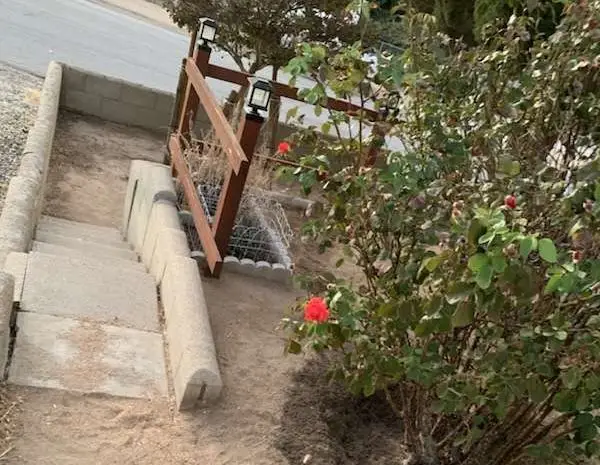
    Rosebush with steps leading to lower level.

    Get Started: Tips, Tricks, & How-Tos for Any Landscape Artist.

    Ready to reap the rewards of manual labor?

    Here are some practical tips to get started.

    Whether you are a seasoned pro or beginner: 

    Planning & Preparation are Key:

    • Know Your Zone: First and foremost, understand the local climate along with planting zones to choose plants that will grow.

    • Assess Your Soil: Healthy soil is the foundation of a healthy yard. Therefore, contemplate getting a soil test to understand its composition and pH levels. This information determines if you need to add amendments.

    • Plan Your Layout: Before you start digging, keep in mind about the functions of different areas in your yard. Where can you find peace? Where can you build a space to thrive?

    • Gather Quality Tools: Finally, this stage, invest in quality tools that are comfortable and suitable to use for the tasks you will be doing. Essential tools include gloves, a trowel, a shovel, pruning shears, a rake, lastly a lawnmower.

    A visual for optimal growth while conserving water.

    Lawn Care Basics:

    • Mowing: Mow at the correct height for your grass type – cutting too short can stress the lawn. Furthermore, keep the mower blades sharp for a clean cut. 

    • Water Wisely: To encourage strong root growth, water deeply & less frequently. Ideally, best time to water is early dusk or early dawn to reduce evaporation.

    • Fertilize When Needed: To conclude, performing a soil test determines if your lawn needs fertilizer & what type. However, don’t over-fertilize, this can harm your lawn & the environment. 

    • Tackle Weeds Early: Furthermore, to pull weeds when small, results in a much simpler task.

    • Aeration & Dethatching: Finally for lawn care, these practices improve air circulation, as well as water and nutrient absorption for a healthy lawn.

    In addition, the “one-third rule” is a good guideline: never remove more than one-third of the grass blade length at a time.

    This provides a visual of aeration and dethatching.

    Gardening for Growth:

    • Start Small: If you are new to gardening, begin with a few simple plants like herbs, marigolds, or simple vegetables like bush beans.

    • Choose the Right Location: Most vegetables & flowering plants need at least six hours of sunlight per day.

    • Prepare the Soil: Amend your soil with compost & other organic matter to improve its structure and fertility.

    • Water Consistently: Consequently, by keeping soil well-watered for new plants & seedlings. As a result, plants will thrive.

    • Mulch, Mulch, Mulch: Mulching retains moisture, suppresses weeds, and regulates soil temperature.

    • Prune for Health: Learn how to prune plants to encourage healthy growth & flowering.

    This rose bush looks better this year than last year.

    Tricks for Simple Yard Work:

    • Sharpen Tools: Sharp tools make every task simple and safe.

    • Work with Nature, Not Against It: Select plants that adapt well to your climate as well as soil conditions.

    • Create a Compost System: Transform yard waste & kitchen scraps into valuable compost enriching your soil.

    • Water Can Placement: Stow water cans strategically set around your yard for easy access.

    • Make it a Family Affair: Get everyone involved! Yard work is a great way to spend quality time to educate kids about nature & responsibility.

    • Listen to Your Body: Do not overdo it. Take breaks, stay hydrated, & know your limits.

    Ready to Get Your Hands Dirty?

    In coclusion, yard work is more than maintaining a property; it is an investment in your health, your home, and your connection to the natural world.

    All media was taken in October of last year.


  • The Unseen Weight: Understanding and Managing Anxiety

    The Unseen Weight: Understanding and Managing Anxiety

    Understand Anxiety

    The word “anxiety” can trigger a tightening in the chest, a quickening of the breath. It’s a pervasive feeling, a silent epidemic impacting millions globally. However, understanding anxiety, recognizing its symptoms, and learning coping mechanisms is the first step towards reclaiming control and finding peace.

    Anxiety isn’t simply feeling worried or stressed. While stress is a response to a specific event, anxiety is a persistent feeling of unease, nervousness, and apprehension that can impact daily life. However, those who are not aware of what it is. I can see why it is perceived as feeling both worried and stressed.

    It manifests in a myriad of ways, both physically & emotionally. 

    Common symptoms:

    • Physical: heart racing, shortness of breath, sweating, trembling, muscle tension, fatigue, digestive problems, headaches, and difficulty sleeping.
    • Emotional: Feeling overwhelmed, irritable, restless, on edge, difficulty concentrating, and lastly experiencing recurring negative thoughts or worries.

    The causes of anxiety are complicated. Genetic predisposition, life experiences like trauma or significant stress, and environmental factors all play a role. Furthermore, underlying medical conditions can sometimes contribute to anxiety symptoms.

    Types of anxiety disorders exist, including:

    • Generalized Anxiety Disorder (GAD): Excessive worry & anxiety about various events or activities for at least six months.
    • Panic Disorder: Characterized by recurrent unexpected panic attacks, often accompanied by intense fear and even physical symptoms.
    • Social Anxiety Disorder (Social Phobia): Overwhelming fear in social situations.
    • Specific Phobias: Intense fear of a specific object or situation.
    • Post-Traumatic Stress Disorder (PTSD): Develops after a traumatic event, which involves flashbacks, nightmares, and avoidance of reminders of the trauma.

    Managing Anxiety

    Fortunately, treatments are available. Therapy, particularly cognitive-behavioral therapy (CBT), is highly successful. CBT helps individuals identify and challenge negative thought patterns to develop coping mechanisms to manage anxiety. Medication, such as antidepressants & anti-anxiety medications, can also be beneficial, often used in conjunction with therapy.

    Beyond professional help, self-care strategies play a crucial role in managing anxiety.

     These include:

    • Regular Exercise: Physical activity releases endorphins, which results in mood-boosting effects.
    • Mindfulness and Meditation: Practicing mindfulness can help individuals be more aware of their thoughts as well as feelings without judgment.
    • Healthy Diet: Nourishing your body with a balanced diet can significantly impact mental well-being.
    • Sufficient Sleep: Aim for 7-9 hours of quality sleep each night.
    • Stress Management Techniques: Techniques like deep breathing exercises, progressive muscle relaxation, and yoga.
    • Social Support: Furthermore, connect with friends, family, or support groups that provide a sense of belonging and reduce feelings of isolation.

    Anxiety is a treatable condition. It’s essential to remember you are not alone, and help is available. If you are struggling with anxiety, reach out to a healthcare professional or mental health specialist. Taking the first step towards seeking support is a sign of strength and can lead to a more fulfilling and anxiety-free life.

  • A Life in the Shadows:

    A Life in the Shadows:

    Finding Myself Beyond Family, Love, & Work.

    Growing up, I always felt like an outsider in my own family. It was not just the usual sibling rivalries or parent-child disagreements—it was something deeper. I was different, and that difference made me an afterthought.

    On my dad’s side, being Mormon was the unspoken currency of love and acceptance, and I did not have it. I was never a part of their faith, which meant to me I was never fully part of them. Love felt conditional, as if I had to earn it in ways I never could. No matter what I did, it was never enough. 

    Digital collage of a man looking at a mountain landscape, combined with illustrations of family, love hearts, and cinema reel for storytelling or emotional themes
    AI Generated photo of self-discovery.

    The Family That Never Saw Me

    If my dad’s family made me feel like an outsider, my mom and sister made home feel like a battleground. Their narcissism turned every interaction into a power struggle. Affection was never freely given—it was a tool they used to control and manipulate. And in that dynamic, I was always the one left empty-handed.

    Birthdays and holidays weren’t days to celebrate; they were reminders. While others experienced warmth and connection, I felt distant. Christmas as well as thanksgiving were never magical nor comforting; and birthdays felt more like obligations than celebrations. I never expected much from those days, and somehow, they still managed to disappoint. As I got older, the gifts I got from them were more expensive as I felt they realized how they were and are making up for past mistakes. Demands as well, on what I wanted to do for those days were heavily pushed on me. 

    I would like to share a link to my post on anxiety. unseen weight understanding and managing anxiety


    Love That Left Scars

    If family set the foundation, relationships built the walls around me. Every relationship I have had seemed to follow the same destructive pattern—either I was the one causing damage, or I was the one picking up the pieces. It was never healthy, never fulfilling.

    I wanted love but love always felt just out of reach. Maybe I was drawn to broken people, or maybe broken people were drawn to me. Either way, the outcome was the same: misunderstandings, toxicity, and heartache. Love felt like a battle, and I was left wounded. That alone made me feel like a mechanic for the person to repair them for the next one. 

    A Career Without a Future

    Work should have been my escape, a place where effort led to success, where I could prove myself. But even there, I found myself stuck. While reaching for an opportunity, it was taken away before I could grasp it.

    I worked hard. I showed up. I gave my best. Unfortunately, it was never enough. Promotions passed me by, recognition never came, and I felt like I was always starting over, no matter how much experience I gained. The quiet firing led to making work miserable whereas, I had to stop my tasks to finish other individual’s tasks. The days and hours I worked got more and more distant. Not really a livable wage.

    Finding Myself in the Wreckage

    I won’t tie this story up with a neat little bow because life isn’t like that. I’m still figuring things out. I still have wounds that have not fully healed. But what I do know is this: I am more than what I have been through.

    I may never have had the family I wanted, the love I needed, or the career I dreamed of. But I have myself. And for the first time, I am learning that maybe, just maybe, that’s enough. I find myself looking into therapy but unsure of how I should go about it. It makes me nervous thinking about the process of it.

  • Exploring Monache Meadows.

    Exploring Monache Meadows.

    Sierra Nevada.


    Camping Paradise

    Nestled in the heart of the Sierra Nevada Mountains, Monache Meadows offers an escape for

    fly fishing enthusiasts and campers alike. To include pristine waters, abundant wildlife, and stunning landscapes.

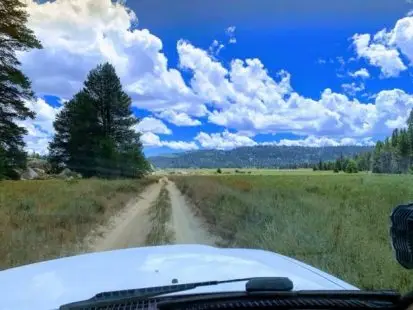
    a grassy meadow in front of a forest and mountains under a cloudy sky
    a grassy meadow in front of a forest and mountains under a cloudy sky


    This gem promises an unforgettable outdoor experience.

    My embarkation to Monache began when I was ten years old. At the time, I was not fly fishing. That’s right, I was a little spin-casting lad. The memories made at the time will forever hold a special place in my heart. As a child, it was fascinating to see and experience the many adventures this place has to offer.

    The fishing was off the hook. (No pun intended)

    To include, the various trout species in the river are a fisherman’s paradise. All the Brooks, Browns, Rainbow, and Golden Trout you can reel in are just one more thing to cherish. For more exciting places to fish the Kern River, check out Casting Memories Fly Fishing

    Fun Fact:

    The Golden Trout is the California state fish.

    The fish is a beautiful species of trout known for its vibrant colors and small stature (no bigger than your hand), and lastly, it is native to the waters of California’s Sierra Nevada. However, do not let their small size fool you. They can pack a fight at the end of your line. Furthermore, I have heard of places that are quite remote and require hiking to access. Their waters can get golden trout at thirteen inches in size. To elaborate, that is a Golden Trout I would love to land.

    a small fish with a slender body lies on a rough gray rock or concrete surface the fish has dark vertical markings along its sides and a light colored belly
    a small fish with a slender body lies on a rough gray rock or concrete surface the fish has dark vertical markings along its sides and a light colored belly

    a small orange camping tent pitched on a dirt campsite with a foldable camping chair to its left the tent is set near a tree in a wooded area and there are rocks and dry ground around
    a small orange camping tent pitched on a dirt campsite with a foldable camping chair to its left the tent is set near a tree in a wooded area and there are rocks and dry ground around

    Fly Fishing

    Fast forward to my twenties, the second embarkation to Monache Meadows. The journey began with a winding drive through dense forests and rugged terrain. While the sun was rising, thus illuminating the meadow’s lush grasses, at that moment, I knew the trip would be a memorable adventure yet again. As we arrived at our campsite to prep our essentials to stay the night and fish in the morning. The following morning, we were greeted by the sounds of nature, along with the river in the background.

    That is a twenty-four-hour all-access white noise machine.

    As we march upstream, the crystal-clear waters of the South Fork Kern River are teeming with trout, making it a fly fisher’s dream. That sound is coming from your reel as you let line out to cast. Nothing beats that sound. I spent hours casting my line, mesmerized by the gentle flow of the river. Our reign in Monache Meadows came to an end as the weekdays were quickly approaching. The fishing, on the other hand, was not the best due to the number of people being there, followed by the storm that was passing through.

    Although it does not change the fact, Monache Meadows will always be a fisherman’s paradise. In addition, anyone should have their adventure in Monache and share their experiences. Furthermore, please have respect for not only the land but also the river as well. Lastly, if you are camping around others, show respect.

    medium.com/@ryan-jay

  • My Time in Lake Tahoe

    My Time in Lake Tahoe

    A Town Nestled in the Sierra Nevada Mountains.

    I was offered the opportunity to visit Tahoe for a professional engagement.

    It was work; I wanted to sound formal.

    The town is accompanied by pleasant, caring locals. Lake Tahoe offers a blend of tranquility along with adventure that is indescribable anywhere else.

    The experience not only allowed me to witness firsthand the destination’s natural splendor. Before my first day on the job, I scheduled an oil change and set out, ready to embrace the next chapter. The six-hour drive along Highway 395 offered a beautiful tapestry of history and varied scenery, making the journey as memorable as the destination.

    Many people may know this, but information is information. Did you know that if you bring your own oil and oil filter. The oil change will only be about $20—$25. It does vary obviously, but still, at least you know what is going on in your car.

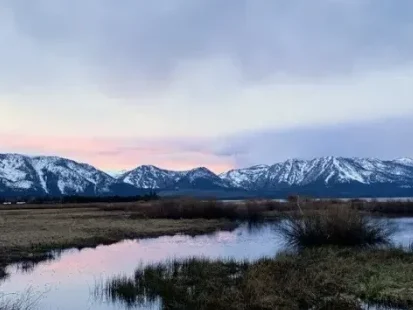
    Tranquil Water of Lake Tahoe


    My Arrival

    I was greeted with a heartfelt welcome. It was a better atmosphere to be working in. Everyone works together and helps one another; it was relieving to witness a company live up to its word, rather than paint over it. Not to mention, whenever events are about to end, the kitchen staff will gather any leftover food to feed employees. It is amazing the staff does that; most places will just waste it.

    The work consists of event setup for various entertainment needs.

    The events would consist of hockey games, concerts, conventions, and even corporate events. The behind-the-scenes setup in the entertainment industry is always a memorable process. You get to visualize firsthand how everything comes together. It’s about shaping an experience for people who have come out to enjoy themselves. That said, it’s a field characterized by constant change; you never know what the day will bring.

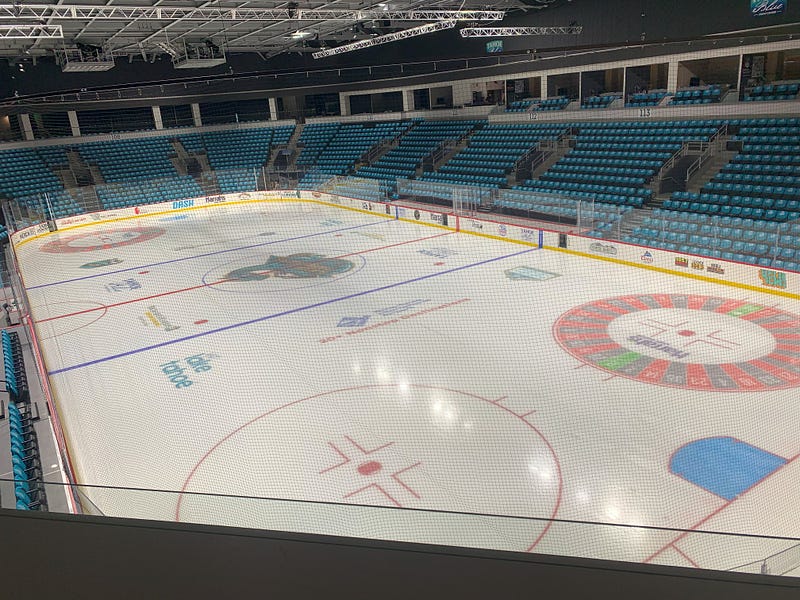
    Tahoe Blue Event Center: Home of the Knight Monsters.


    Conclusion

    My stay lasted a whole month. By now, I know what you are thinking. I should have stayed longer. As for myself, it took about a day to really feel that I belonged there. The month’s stay felt like six years. Working at a different venue with high employee morale was a positive experience. However, I will remember the locals and their treatment of others.

    One time, while I was driving to work. Upon leaving a 7/11, I noticed a pedestrian walking. Keep in mind, he had the right-of-way; he could have taken his time. I was not in a rush. However, he decides to pick up the pace. As for myself, I did admire the gesture. He was staying alert and paying attention to his surroundings. Elsewhere, they linger, eyes glued to their phones. Looking ahead, I’m certain I’ll be planning another trip out there.

    This blog is also on my Medium page; please check it out. medium.com/@ryan-jay