Tag: Health

  • Waking Up at 5 AM

    Discipline, Benefits & More

    Why I Decided to Wake Up at 5 AM

    I’d read about successful people who wake up at five in the morning. CEOs, athletes, and high achievers all seem to rise with the sun—or even before it. So I asked myself, what would happen if I tried it?

    I wasn’t a morning person. In fact, I hit snooze too often. But I wanted a change. I craved clarity, structure, and extra hours in my day.

    The First Few Days—Shock to the System

    Let’s be real. The first few days were tough. I dragged myself out of bed, groggy and irritated. My body screamed for more sleep. My mind was foggy.

    By day three, I felt like quitting. But I stuck with it.

    My trick? Placing my alarm across the room. I had to physically get up to turn it off.

    Adjusting My Sleep Schedule

    Waking up early forced me to sleep earlier. I couldn’t survive on five hours of rest. So I aimed to be in bed by 9:30 PM.

    That meant:

    • Cutting screen time after 8 PM
    • Reading a physical book before bed
    • Keeping lights dim in the evening

    I used calming music and a sleep mask. It worked. Falling asleep became easier over time.

    Building a Morning Routine

    Having more time in the morning was powerful—but only if I used it well. I quickly learned that wandering aimlessly killed my motivation.

    So I created a loose routine:

    1. Wake up at 5:00 AM
    2. Drink water and stretch.
    3. Journal for 10 minutes
    4. Meditate or walk.
    5. Plan my day.

    That routine gave my mornings purpose. I wasn’t rushing anymore.

    warm coffee drink
    Photo by Daria Obymaha on Pexels.com

    Productivity Before Sunrise

    Something magical happened. Without the noise of the world, I focused better. There were no emails, no messages—just quiet.

    I tackled deep work tasks like writing and planning. Creative ideas flowed faster. My mind felt sharper.

    By 9 AM, I had done more than most people do all day.

    The Unexpected Challenges

    Not everything was perfect. Social life took a hit. Friends wanted to hang out late. I had to say no often.

    Weekends were tricky too. I wanted to sleep in. But doing so threw off my rhythm.

    And yes, there were days I felt burnt out—especially when I skipped meals or stayed up too late.

    Energy and Mood Shifts

    In the mornings, I felt great—alert, calm, and positive. My mood lifted naturally.

    But by mid-afternoon, I sometimes crashed. I learned to take short walks or power naps around 2 PM. That helped.

    Overall, waking early gave me emotional stability. I felt more in control.

    Nutrition and Hydration

    I used to skip breakfast. Not anymore.

    Now, I ate something light but nutritious—like eggs, oatmeal, or a smoothie.

    Hydration was key. I started every day with two glasses of water. It boosted my energy and focus.

    Surprisingly, I craved less junk food throughout the day.

    Exercise and Movement

    Working out early wasn’t easy at first. But I noticed something: even light stretching or yoga woke me up faster than coffee.

    I added 20-minute workouts three times a week. That combo of movement and early sunlight helped regulate my sleep and boosted my mood.

    What I Learned About Discipline

    At first, I relied on willpower. But that faded fast.

    So I built systems. I laid out clothes the night before. After prepping breakfast, I turned off electronics at a set time.

    Soon, waking up early felt automatic. I didn’t need to fight myself anymore.

    Sleep Quality Improvements

    The quality of my sleep improved. Even though I was waking up earlier, I felt more rested.

    I used sleep tracking apps like Sleep Cycle. I avoided caffeine after 2 PM. My room was cool and dark.

    As a result, I had fewer nightmares and slept deeper.

    Comparing to My Old Routine

    Before this experiment, I rushed through mornings. I skipped breakfast and scrambled to get ready.

    Now? My mornings are calm. I move with purpose. I start work earlier and finish sooner.

    My life feels less chaotic.

    Long-Term Sustainability

    So, will I keep waking at 5 AM?

    Maybe not every day. But I’ll aim for most weekdays. I’ve found a groove that works.

    On weekends, I allow more sleep—without guilt. Flexibility is key.

    Final Verdict—Is 5 AM Worth It?

    Waking up at 5 AM changed how I see time. I gained hours, focus, and peace.

    But it’s not for everyone. If you’re a night owl or work late shifts, it might not suit your lifestyle.

    Still, I believe everyone can benefit from intentional mornings—no matter the hour.

    FAQs – Waking Up at 5 AM

    Q1: Is it healthy to wake up at 5 AM every day?

    Yes, if you get enough sleep. Aim for 7–9 hours each night.

    Q2: How long does it take to adjust?

    Most people need 1–2 weeks to fully adjust.

    Q3: Do I need to follow a strict morning routine?

    Not strictly, but having a plan helps you stay focused.

    Q4: Can I still have a social life?

    Yes, but you’ll need to balance it. Early nights may mean fewer late outings.

    Q5: What if I miss a day?

    It’s okay. Just reset the next night. One off-day won’t ruin progress.

    Q6: What time should I go to bed?

    Count backward from 5 AM—ideally, you should be asleep by 9:30 or 10 PM.

    Conclusion

    Waking up at 5 AM taught me discipline, calm, and better time use. The shift wasn’t easy, but it was rewarding. Whether you wake up early or late, what matters most is owning your morning.

    Want to try it? Start small. Set your alarm 15 minutes earlier. Build from there.

    You might surprise yourself.

  • Basic H2® Biodegradable Cleaner 16 oz. — Powerful, Green, Money‑Saving

    Basic H2® Biodegradable Cleaner 16 oz. — Powerful, Green, Money‑Saving

    Basic H2® Biodegradable Cleaner

    Introducing Basic H2® Biodegradable Cleaner 16 oz., a green powerhouse for household cleaning. With every bottle making up to 48 gallons of cleaner, this eco‑friendly formula handles grease, grime, glass, floors, and more—all without harsh fumes. It’s safe, powerful, and cost‑effective.

     What Is Basic H2® 16 oz.?

    • A super‑concentrated, plant‑based cleaner.
    • One 16 oz bottle yields 48 gallons of solution.
    • Made from corn and coconut‑derived biodegradable surfactants.
    • Free of chlorine, phosphates, dyes, fragrances, and toxic fumes.
    • pH balanced and gentle on hands.

    Why You’ll Love It

    Ultra-economical

    A single bottle replaces thousands of disposable spray bottles—Windex, all‑purpose spray, and floor cleaners included. 

    Green and safe

    Non‑toxic and biodegradable. Even septic and grey‑water systems stay happy. 

    Deep cleaning power

    Cuts through grease and stuck‑on grime with less elbow grease than many natural brands. 

    Unscented and mild

    Virtually odorless—perfect if you’re sensitive to smells. 

    Uses & Mixing Guide

    Surface Type Ratio Notes
    All-purpose spray 0.25 tsp in 16 oz water For counters, glass, etc.
    Glass & mirrors 2 drops in 16 oz water Wipe with microfiber cloth
    Degreasing jobs 1.5 tsp in 16 oz water For appliances and grills
    Heavy-duty cleaning 2 oz in 1 gallon water Driveways, outdoor grease
    Floors 1 Tbsp in 1 gallon water Mop and rinse

    No rinsing needed on most surfaces. Suits sealed wood, tested floors, tile, stainless steel, and even fabric cleaning. 

    What Users Say

    On The Strategist, one reviewer calls it “the most effective natural cleaner she’s found.” She’s used the same bottle for eight years and still had half left. It works on counters, glass, appliances, and more.

    On discussion boards, users praise its all‑purpose strength and long‑lasting value. One shared:

    Why This Cleaner Stands Out

    1. Eco-conscious design

      Biodegradable and packaged sustainably, it lowers plastic waste and carbon footprint.
    2. Health first

      No toxic fumes, no hazardous chemical exposure—just clean air and clean surfaces.
    3. Economical refills

      No need to rebuy bulky cleaner bottles—just dilute with tap water.
    4. Trusted long-term users

      Many users report never needing to repurchase thanks to minimal usage and high efficacy.

    Tips & Considerations

    • Always test on sensitive or unsealed surfaces first.
    • Follow dilution directions carefully—using too little may reduce cleaning power. Too much may streak glass.
    • Keep out of aquariums or windshield washer fluid tanks—they are not designed for those uses.


    Final Take 

    Basic H2® Biodegradable Cleaner 16 oz. delivers evidence‑based cleaning power with minimal waste. It’s safe, effective, and cost‑saving. If you’re after a minimalist, eco-conscious cleaner that handles most household jobs, this is a top pick. No strong smells. No landfill guilt. Just smart, sustainable cleaning.

    FAQs

    Q: How long does one bottle last?

    A: If mixed per instructions, one 16 oz. bottle makes about 48 gallons of cleaner—enough for months or even years of cleaning. 

    Q: Is it safe around kids and pets?

    A: Yes. It’s non-toxic, fragrance-free, and gentle on skin.

    Q: Does it leave residue or streaks?

    A: When mixed correctly, it cleans clear. Over-concentrating may leave streaks on glass surfaces. 

    Q: Can it clean outdoor surfaces?

    A: Yes—driveways, grills, patios, sealed siding, and more.

    Q: Does it disinfect or kill bacteria?

    A: It’s not labeled as antibacterial. It cleans dirt and grease but shouldn’t replace a disinfectant when needed.

    Q: What surfaces should I avoid?

    A: Not suitable for aquariums or vehicles’ windshield‑washer reservoirs. Avoid unfinished wood and delicate fabrics unless tested. 

    Interested in a greener, simpler cleaning solution? Basic H2® Biodegradable Cleaner is worth a try. Low scent. High power. Big savings.


    Check out the link. hinkeylife/storefront

    Shaklee Business Card


    Natural Wellness How Shaklee


  • Pharmaceuticals vs. Natural Alternatives

    Pharmaceuticals vs. Natural Alternatives

    Pharmaceuticals

    People can educate themselves more quickly because information is accessible. Now that health and nutrition information appears in doctors’ offices, on television and radio, in grocery stores, and on the Internet, people are more informed. Information spreads quickly and widely. You now have access to a broader range of differing opinions. The debate, which has never shown evidence of a settled answer, asks whether prescription drugs or natural alternatives are better.

    close up image showing various pills and a thermometer emphasizing health and medicine

    Being diagnosed with a serious condition, such as diabetes or heart disease, is probably one of the scariest moments a person can experience in their life. As a health professional gives the prognosis, the first action taken is for the individual to be prescribed medication, delaying the impact of the illness or disease. In fear of becoming more sick, people generally rush to have their prescription filled and begin their treatment for the disease. The patients adhere to treatment orders prescribed by health professionals. 

    There are people who are trying something different. Every day, more people are considering natural alternatives to prescription medication. The cause of the shift is that many medications prescribed for serious health conditions have side effects.

    While many side effects tend to subside once your system has become adjusted to the medication, and others are rare, many people don’t want to take a chance with prescribed medication. This has led to an increase in the purchase of natural alternatives. Comparing natural alternatives to prescribed medication can help you and your doctor determine which route is best for you.

    Natural Alternatives

    On the side of natural alternatives is the belief that a treatment plan featuring elements that are natural to the chemical makeup of the human body is best. There is also the belief that the reason prescription medications are often associated with unpleasant side effects is because they go against what the body really needs. To conclude, there is no real concrete data that proves that natural alternatives are better.

    People basically take natural alternatives at their own risk. Furthermore, it is important to discuss natural alternatives with a medical professional.

    Herbal tea ritual featuring a glass teapot with amber infusion and six bowls of dried botanicals—rose petals, lavender, orange peel, and green herbs—symbolizing holistic healing and natural remedies as alternatives to pharmaceutical solutions.

    In conclusion, it’s no secret the pharmaceutical industry and the medical profession are close associates. Often doctors will offer their patients samples of the latest drugs. Despite doctors who will never consider natural alternatives as a method of treatment outweighing the number of doctors who do, this close association with the pharmaceutical companies may be the reason.

    Until natural alternatives are investigated and approved by organizations, such as the United States Food and Drug Administration, that oversee nutritional standards, the debate between prescribed medication and natural alternatives will continue.

    For more alternatives, check out my blog on Shaklee.


  • Optimize Your Health & Well Being

    Optimize Your Health & Well Being

    Health & Wellness

    Do you want to lose weight and feel better about yourself? The first step towards weight loss and a healthy lifestyle is to develop a plan of action. Start by evaluating your goals. Do you want to fit into your old jeans or keep up with your younger friends in a pickup basketball game? Maybe you just want to feel better about yourself.

    After setting goals, you should begin to consider how to make your goals come to life. For most people, a change in lifestyle, through diet and/or exercise, is needed to reach long-term weight loss goals. A Chi Machine can make a great addition to your new, healthy lifestyle. Chi Machines, like the Chi Vitalizer CY-106, provide passive exercise through an elliptical motion that can help to increase circulation and lymphatic system drainage. This can help to eliminate toxins from the body and increase metabolism, helping to make your dietary and active exercise programs that much more effective.

    Utilizing Chi Machine

    Using a Chi Machine after a long, hard day can help you to relax and keep you from overeating as a response to the stresses in your life. Making a Chi Machine a regular part of your weight loss plan can create structure that allows you to stick to the other parts of your diet as well. Consider using your Chi Machine for 5-15 minutes a day, either before or after your other exercises or before eating a healthy snack. A lack of exercise and increasing weight can become part of a never-ending spiral.

    Using a Chi Machine can help you to increase your anabolic metabolism and decrease catabolic metabolism. Catabolic metabolism is a negative force that can inhibit weight loss and contribute to the negative spiral of weight gain and poor health. Read more about anabolic and catabolic metabolisms at All About Massagers. Creating a routine and sticking to it is the most important aspect of weight loss success, and a Chi Machine can help you achieve your goals and begin a new, healthy lifestyle.

    For more tools to improve your well-being, check out my Shaklee website below.

    Shaklee Hinkey Life

    Shaklee Hinkey Life Business Card

  • Benefits of Landscaping

    Benefits of Landscaping

    More Than Just Curb Appeal

    Landscape Elements

    • Benefits
    • Get Started
    • The Basics

    The lush green lawn, vibrant flower beds, and crisp edges of your walkways – they do not just appear by magic.

    It is the result of (natijah – result) of good old-fashioned yard work.

    detailed rosebed with brick layout.

    Getting your hands dirty (literally!) in the yard is a powerful boost for your physical and mental well-being, a win for your wallet, & a صغير (saghir) – a small act of environmental stewardship.

    Ready to discover the hidden treasures of yard work? Let’s dig in!

    First and foremost, maintaining your lawn enhances the aesthetic appeal of your property.

    In addition, a well-maintained lawn significantly improves air quality by; producing oxygen and filtering any pollutants. As a result, contributes to a healthy environment for you and your family.

    More Than Just Pretty: The Many Perks of Tending Your Turf.

    • Powerful Workout in Disguise: Ditch the gym. Instead, manual labor provides an excellent cardiovascular exercise due to incorporating various muscle groups. As a result, this contributes to an increase in calorie loss. Ultimately, it is a functional, fresh – air fitness routine that constantly changes. 

    • https://njaes.rutgers.edu/home-lawn-garden/gardening-for-physical-activity.php

    • Stress Relief & Mental Clarity: Spending time in nature has a profound impact on our mental state. Specifically, the act of nurturing plants reduces stress, lowers cortisol levels, and improves your mood. Furthermore, it presents a much-needed escape from daily pressures, promoting mindfulness and a sense of accomplishment. 

    • Increase Vitamin D Intake: In addition, safely soaking up some sun while you work in the yard helps your body produce Vitamin D. 
    • Save Money: On a particular level, regular yard maintenance prevents costly issues, delaying drainage issues & deter pests.

    • Growing Your Own Produce: Whether you are cultivating a vegetable patch or a few herb plants, growing your own food offers numerous benefits. Not only do you get fresh, healthy produce, save money, but lastly, gain a deeper appreciation for where your food comes from.

    • Creating a Welcoming Oasis: Your yard is an extension of your home. Consequently, by tending to it, you create an enjoyable yet functional space for relaxation, and entertainment. 

    • Support Local Ecosystems: Finally, choosing native plants while practicing sustainable yard care provides a habitat for pollinators, birds, and other beneficial wildlife. Therefore, contributes to a healthy environment. 

    Rosebush with steps leading to lower level.

    Get Started: Tips, Tricks, & How-Tos for Any Landscape Artist.

    Ready to reap the rewards of manual labor?

    Here are some practical tips to get started.

    Whether you are a seasoned pro or beginner: 

    Planning & Preparation are Key:

    • Know Your Zone: First and foremost, understand the local climate along with planting zones to choose plants that will grow.

    • Assess Your Soil: Healthy soil is the foundation of a healthy yard. Therefore, contemplate getting a soil test to understand its composition and pH levels. This information determines if you need to add amendments.

    • Plan Your Layout: Before you start digging, keep in mind about the functions of different areas in your yard. Where can you find peace? Where can you build a space to thrive?

    • Gather Quality Tools: Finally, this stage, invest in quality tools that are comfortable and suitable to use for the tasks you will be doing. Essential tools include gloves, a trowel, a shovel, pruning shears, a rake, lastly a lawnmower.

    A visual for optimal growth while conserving water.

    Lawn Care Basics:

    • Mowing: Mow at the correct height for your grass type – cutting too short can stress the lawn. Furthermore, keep the mower blades sharp for a clean cut. 

    • Water Wisely: To encourage strong root growth, water deeply & less frequently. Ideally, best time to water is early dusk or early dawn to reduce evaporation.

    • Fertilize When Needed: To conclude, performing a soil test determines if your lawn needs fertilizer & what type. However, don’t over-fertilize, this can harm your lawn & the environment. 

    • Tackle Weeds Early: Furthermore, to pull weeds when small, results in a much simpler task.

    • Aeration & Dethatching: Finally for lawn care, these practices improve air circulation, as well as water and nutrient absorption for a healthy lawn.

    In addition, the “one-third rule” is a good guideline: never remove more than one-third of the grass blade length at a time.

    This provides a visual of aeration and dethatching.

    Gardening for Growth:

    • Start Small: If you are new to gardening, begin with a few simple plants like herbs, marigolds, or simple vegetables like bush beans.

    • Choose the Right Location: Most vegetables & flowering plants need at least six hours of sunlight per day.

    • Prepare the Soil: Amend your soil with compost & other organic matter to improve its structure and fertility.

    • Water Consistently: Consequently, by keeping soil well-watered for new plants & seedlings. As a result, plants will thrive.

    • Mulch, Mulch, Mulch: Mulching retains moisture, suppresses weeds, and regulates soil temperature.

    • Prune for Health: Learn how to prune plants to encourage healthy growth & flowering.

    This rose bush looks better this year than last year.

    Tricks for Simple Yard Work:

    • Sharpen Tools: Sharp tools make every task simple and safe.

    • Work with Nature, Not Against It: Select plants that adapt well to your climate as well as soil conditions.

    • Create a Compost System: Transform yard waste & kitchen scraps into valuable compost enriching your soil.

    • Water Can Placement: Stow water cans strategically set around your yard for easy access.

    • Make it a Family Affair: Get everyone involved! Yard work is a great way to spend quality time to educate kids about nature & responsibility.

    • Listen to Your Body: Do not overdo it. Take breaks, stay hydrated, & know your limits.

    Ready to Get Your Hands Dirty?

    In coclusion, yard work is more than maintaining a property; it is an investment in your health, your home, and your connection to the natural world.

    All media was taken in October of last year.


  • Why ASICS Remains My Go-To Running Shoe, For Every Runner.

    Why ASICS Remains My Go-To Running Shoe, For Every Runner.

    Beginner Comfort

    Remember to rotate your shoes every 250-500 miles.

    asics black and blue shoe with orange accents
    asics black and blue shoe with orange accents

      Choosing the right running shoe is one of the most critical decisions any runner can make. It’s not just about comfort; the program primarily focuses on preventing injuries; furthermore, it enhances performance and ensures you enjoy every step. Whether you’re a beginner or have logged thousands of miles, it caters to everyone’s needs. As a result, you can feel confident in your journey toward better fitness.

    There are many options; however, I always find myself returning to ASICS.

    This isn’t just personal preference; it’s a choice backed by decades of innovation, as well as commitment to biomechanics. This is a diverse range that truly caters to every runner, from the tentative beginner to the seasoned marathoner. Well, that and I have always had great luck when it came to ASICS. A reliable brand that walks you through finding the best fit for your running needs. 

      ASICS built its reputation on a foundation of scientific research and a deep understanding of the human body in motion. The Institute of Sport Science in Kobe, Japan, serves as a hub of innovation by constantly analyzing gait cycles, impact forces, and anatomical needs. This isn’t just marketing; it translates into tangible benefits in their footwear. For years, their signature GEL technology has been a cornerstone of their cushioning system, strategically placed in high-impact areas like the heel and forefoot. This isn’t just soft foam; it’s a material designed to absorb shock effectively, dispersing the force of impact to protect your joints.

      For the amateur runner, this means a more forgiving ride. Those early miles can be tough on the body as it adapts to the demands of running. ASICS focuses on cushioning and stability, providing a protective buffer, helping to reduce the risk of common beginner injuries like shin splints or runner’s knee. Models like the GEL-Nimbus or GEL-Cumulus offer plush comfort that makes those initial runs feel more manageable and enjoyable, encouraging consistency and helping new runners build confidence and endurance.

    a pair of asics running shoes on top of a table
    a pair of asics running shoes on top of a table

      Furthermore, it’s not about cushioning for beginners. ASICS also excels in providing tailored support. Their range includes shoes with DUOMAX or LITETRUSS technology, designed to gently guide the foot and reduce excessive inward rolling (overpronation). This stability is crucial for many runners, regardless of experience level, ensuring a more efficient and safer stride.

      For the veteran runner, the benefits of ASICS extend beyond basic protection. Experienced runners often put in higher mileage and demand more from their footwear. ASICS technologies like FlyteFoam and FF BLAST offer lightweight, energetic cushioning that provides excellent responsiveness and energy return. This means less wasted energy with each step, contributing to improved performance and a feeling of propulsion, especially during longer runs or speed work.

    Durability & Consistency

    ASICS outsoles, often featuring AHAR (ASICS High Abrasion Rubber), are known for their resilience, offering reliable grip and longevity that holds up to consistent, high-volume training. Furthermore, ASICS offers a diverse lineup catering to specific needs—from the high-stability GEL-Kayano series to the speed-oriented METASPEED models with carbon plates for race day. This variety ensures that veteran runners can find a shoe precisely tuned to their training goals and biomechanics.

      Beyond the specific technologies, there’s a consistency in fit and feel across many ASICS lines that I personally appreciate. Finding a shoe that fits well is paramount, and ASICS generally offers a secure and comfortable lockdown without being overly restrictive. This reliable fit minimizes the chances of blisters or discomfort, allowing you to focus on your run.

      In conclusion, while the running shoe landscape is vast and competitive, ASICS distinguishes itself through a deep-seated commitment to scientific innovation, injury prevention, and lastly, catering to the diverse needs of the running community. Whether you’re gearing up for your very first mile or training for your tenth marathon, ASICS provides a combination of comfort, support, and durability, along with performance technology. This makes ASICS a consistently preferred choice for runners at every stage of their journey. It’s this blend of reliable protection and performance-enhancing features that keeps ASICS at the top of my list, and why I believe they are an excellent consideration for any runner looking for their next trusted pair of shoes.

  • Why Shaklee Is the Wellness Brand You need in 2025

    Why Shaklee Is the Wellness Brand You need in 2025

    Shaklee HinkeyLife.

    In a world overwhelmed by wellness trends, it is easy to feel lost in the shuffle of fleeting fads along with overhyped products. However, upon entering 2025, one brand stands out for its enduring commitment to science-backed health solutions and sustainability: Shaklee. A legacy that spans many decades, the corporation is not just a wellness company—it is a pioneer that has consistently delivered products rooted in innovation, quality, and care for the planet.

    Shaklee Hinkey Life Storefront.

    Personal Experience

    Growing up, I have been around Shaklee products. Whether it was cleaning products, sports supplements, or even the everyday vitamins. It was around in some way. My mother suffers from rheumatoid arthritis and fibromyalgia. Furthermore, she states the effects can be felt immediately after ingesting. That says so much, especially in today’s medicine. It is a pill for everything, with that pill having another issue to deal with.

    You get the gist. One pill after the other.

    Shaklee isn’t just a brand—it is a philosophy being woven into our daily lives. From the vitamins on the counter to the eco-friendly solutions we use for cleaning the house. Shaklee played a significant role in shaping how I see health, sustainability, and entrepreneurship today.

    I understand there might be sites similar to it that deliver similar results. To conclude, I am not selling nor advertising. However, I am assisting others to live a healthier and younger lifestyle. Furthermore, this provides a door of opportunity in which people can explore the products along with the benefits.


    Health Benefits.

    Shaklee home products are backed by extensive scientific research and positive customer testimonials. They offer a range of supplements and vitamins that support overall health, including heart health, cognitive health, and immune support. Shaklee Corporation (2007). The Landmark Health Studies have shown that long-term users of Shaklee have better health outcomes compared to non-users. In addition, I recall taking the sports nutrition products during a training season prior to cross-country. I shaved anywhere between three to five minutes off my personal records for a three-mile run as well as a five-mile run.

    Shaklee Corporation (2007). The Landmark Health Studies. Shaklee Corporation.

    Sustainability.

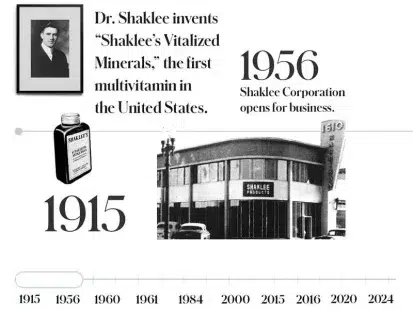
    The organization has been committed to environmental stewardship since its founding in 1956. Shaklee became the first company in the world to be certified Climate Neutral. That said, they offset their CO₂ emissions to achieve a net-zero impact on the environment.

    Shaklee uses eco-friendly packaging, renewable resources, and green manufacturing practices, minimizing their ecological footprint. Basic H2 Biodegradable

    Trustworthiness.

    Shaklee products undergo rigorous quality testing to ensure safety, purity, and potency. The company offers a 100% money-back guarantee, even if the product is completely used up. Customer reviews, along with ratings on platforms like Trustpilot and consumerlab.com, reflect high satisfaction with the effectiveness and quality of Shaklee products.

    Curious to see how Shaklee can improve your health and your home?

    Please, don’t forget to visit my Shaklee website page. https://us.shaklee.com/site/hinkeylife/storefront

    shaklee hinkeylife business card
    shaklee hinkeylife business card