Category: Personal Stories

  • Waking Up at 5 AM

    Discipline, Benefits & More

    Why I Decided to Wake Up at 5 AM

    I’d read about successful people who wake up at five in the morning. CEOs, athletes, and high achievers all seem to rise with the sun—or even before it. So I asked myself, what would happen if I tried it?

    I wasn’t a morning person. In fact, I hit snooze too often. But I wanted a change. I craved clarity, structure, and extra hours in my day.

    The First Few Days—Shock to the System

    Let’s be real. The first few days were tough. I dragged myself out of bed, groggy and irritated. My body screamed for more sleep. My mind was foggy.

    By day three, I felt like quitting. But I stuck with it.

    My trick? Placing my alarm across the room. I had to physically get up to turn it off.

    Adjusting My Sleep Schedule

    Waking up early forced me to sleep earlier. I couldn’t survive on five hours of rest. So I aimed to be in bed by 9:30 PM.

    That meant:

    • Cutting screen time after 8 PM
    • Reading a physical book before bed
    • Keeping lights dim in the evening

    I used calming music and a sleep mask. It worked. Falling asleep became easier over time.

    Building a Morning Routine

    Having more time in the morning was powerful—but only if I used it well. I quickly learned that wandering aimlessly killed my motivation.

    So I created a loose routine:

    1. Wake up at 5:00 AM
    2. Drink water and stretch.
    3. Journal for 10 minutes
    4. Meditate or walk.
    5. Plan my day.

    That routine gave my mornings purpose. I wasn’t rushing anymore.

    warm coffee drink
    Photo by Daria Obymaha on Pexels.com

    Productivity Before Sunrise

    Something magical happened. Without the noise of the world, I focused better. There were no emails, no messages—just quiet.

    I tackled deep work tasks like writing and planning. Creative ideas flowed faster. My mind felt sharper.

    By 9 AM, I had done more than most people do all day.

    The Unexpected Challenges

    Not everything was perfect. Social life took a hit. Friends wanted to hang out late. I had to say no often.

    Weekends were tricky too. I wanted to sleep in. But doing so threw off my rhythm.

    And yes, there were days I felt burnt out—especially when I skipped meals or stayed up too late.

    Energy and Mood Shifts

    In the mornings, I felt great—alert, calm, and positive. My mood lifted naturally.

    But by mid-afternoon, I sometimes crashed. I learned to take short walks or power naps around 2 PM. That helped.

    Overall, waking early gave me emotional stability. I felt more in control.

    Nutrition and Hydration

    I used to skip breakfast. Not anymore.

    Now, I ate something light but nutritious—like eggs, oatmeal, or a smoothie.

    Hydration was key. I started every day with two glasses of water. It boosted my energy and focus.

    Surprisingly, I craved less junk food throughout the day.

    Exercise and Movement

    Working out early wasn’t easy at first. But I noticed something: even light stretching or yoga woke me up faster than coffee.

    I added 20-minute workouts three times a week. That combo of movement and early sunlight helped regulate my sleep and boosted my mood.

    What I Learned About Discipline

    At first, I relied on willpower. But that faded fast.

    So I built systems. I laid out clothes the night before. After prepping breakfast, I turned off electronics at a set time.

    Soon, waking up early felt automatic. I didn’t need to fight myself anymore.

    Sleep Quality Improvements

    The quality of my sleep improved. Even though I was waking up earlier, I felt more rested.

    I used sleep tracking apps like Sleep Cycle. I avoided caffeine after 2 PM. My room was cool and dark.

    As a result, I had fewer nightmares and slept deeper.

    Comparing to My Old Routine

    Before this experiment, I rushed through mornings. I skipped breakfast and scrambled to get ready.

    Now? My mornings are calm. I move with purpose. I start work earlier and finish sooner.

    My life feels less chaotic.

    Long-Term Sustainability

    So, will I keep waking at 5 AM?

    Maybe not every day. But I’ll aim for most weekdays. I’ve found a groove that works.

    On weekends, I allow more sleep—without guilt. Flexibility is key.

    Final Verdict—Is 5 AM Worth It?

    Waking up at 5 AM changed how I see time. I gained hours, focus, and peace.

    But it’s not for everyone. If you’re a night owl or work late shifts, it might not suit your lifestyle.

    Still, I believe everyone can benefit from intentional mornings—no matter the hour.

    FAQs – Waking Up at 5 AM

    Q1: Is it healthy to wake up at 5 AM every day?

    Yes, if you get enough sleep. Aim for 7–9 hours each night.

    Q2: How long does it take to adjust?

    Most people need 1–2 weeks to fully adjust.

    Q3: Do I need to follow a strict morning routine?

    Not strictly, but having a plan helps you stay focused.

    Q4: Can I still have a social life?

    Yes, but you’ll need to balance it. Early nights may mean fewer late outings.

    Q5: What if I miss a day?

    It’s okay. Just reset the next night. One off-day won’t ruin progress.

    Q6: What time should I go to bed?

    Count backward from 5 AM—ideally, you should be asleep by 9:30 or 10 PM.

    Conclusion

    Waking up at 5 AM taught me discipline, calm, and better time use. The shift wasn’t easy, but it was rewarding. Whether you wake up early or late, what matters most is owning your morning.

    Want to try it? Start small. Set your alarm 15 minutes earlier. Build from there.

    You might surprise yourself.
  • 10 Proven Productivity Hacks That Work in 2025 (Backed by Science!)

    10 Proven Productivity Hacks That Work in 2025 (Backed by Science!)

    10 Productivity Hacks That Actually Work in 2025

    To stay productive in 2025 can be difficult. With constant notifications, meetings, and endless emails, it’s easy to lose focus. Don't stress. These 10 productivity hacks that actually work in 2025 are designed to help you stay sharp, motivated, and in control.

    Let’s dive right in.

    1. Use the 52/17 Rule (Not Pomodoro)

    Most people know the Pomodoro technique. In 2025, the 52/17 rule is outperforming it.

    Here’s how it works:

    • Work for 52 minutes.
    • Take a 17-minute break.

    Why it works:

    Your brain stays engaged for nearly an hour, then gets time to recover fully. This rhythm matches your natural energy cycles, boosting efficiency.

     Tip: Set a timer for both work and break sessions.

    2. Schedule a “Power Hour” Every Morning

    Start your day with one goal: one hour of uninterrupted deep work.

    No meetings. No messages. Just focus.

    This sets the tone for the day. You’ll get something meaningful done before distractions hit.

     Ideal time: Right after waking up.

    3. Embrace AI Assistants (Smartly)

    AI tools in 2025 are game-changers. They help you:

    • Draft emails
    • Organize tasks.
    • Generate reports.

    But don’t over-rely. Use them to save time, not to think for you.

     Tools to try: ChatGPT, Notion AI, and ClickUp Brain.

    4. Turn Off ALL Notifications (Seriously)

    Yes. All of them.

    Even small pings break your focus. Silence:

    • Emails
    • Social media
    • Slack, Teams, Discord

    Check them only at set times (e.g., 11 AM and 3 PM). This builds attention stamina.

    5. Create a “No Meeting” Day Each Week

    Choose one day—say, Wednesday—as your no-meeting zone.

    Use it for:

    • Deep work
    • Learning
    • Finishing big tasks

    Companies like Asana and Shopify use this hack with amazing results.

    closeup photo of white and black printed ceramic mug beside pastry
    closeup photo of white and black printed ceramic mug beside pastry
    6. Write a 3-Item Priority List (Not 10)

    Forget long to-do lists. Instead, pick 3 main priorities each morning.

    Ask:

    “If I only completed these 3 things, would today be a win?”

    This forces clarity and focus. You’ll feel less overwhelmed—and more accomplished.

    7. Try the “Two-Minute Rule”

    If a task takes less than 2 minutes, do it immediately.

    Don’t save it. Don’t overthink it. Just act.

    This clears your mind and your inbox fast.

    8. Set Micro-Deadlines (Weekly)

    Large goals can feel heavy. Break them down.

    Instead of saying:

    “Finish the presentation by Friday.”

    Say:

    “Finish slides 1–5 by Tuesday.”

    This gives you momentum. Each small win builds confidence.

    9. Use Environmental Cues

    Want to train your brain to focus? Set visual triggers.

    Example:

    • Put on noise-canceling headphones = Work mode
    • Light a specific candle = Study time
    • Use a specific playlist = Deep writing

    This “brain priming” increases consistency.

    10. Do a Weekly “Reset Ritual”

    Every Friday (or Sunday), review:

    • What went well, and what didn’t?

    • What to fix next week?

    Clean your desk. Close open tabs. Plan the next week with intention.

    This clears mental clutter and boosts motivation.

    FAQs About Productivity in 2025

    Q1: What’s the best time of day to be productive in 2025?

    A: Mornings remain the most productive time for most people. Especially the first 2 hours after waking.

    Q2: How do I avoid burnout while staying productive?

    A: Use structured breaks like the 52/17 rule. Also, protect your weekends and avoid over-scheduling.

    Q3: Are AI tools helpful or distracting?

    A: They’re helpful when used with purpose. Don’t let them lead your thinking—use them to support it.

    Q4: How do I stay motivated long-term?

    A: Set clear weekly goals. Celebrate small wins. Build in rewards after deep work sessions.

    Q5: Is multitasking still a bad idea?

    A: Yes. Focus on one thing at a time. Multitasking reduces quality and increases fatigue.

    Q6: What’s a quick way to reset my focus?

    A: Step outside for 5 minutes. Deep breath. No phone. Nature helps reset your attention span.

    Final Thoughts

    Productivity doesn’t mean doing more. It means doing what matters—with clarity and energy. These 10 productivity hacks that actually work in 2025 are easy to try and proven to work.

    Start with just one. Watch your focus and energy rise.

  • Basic H2® Biodegradable Cleaner 16 oz. — Powerful, Green, Money‑Saving

    Basic H2® Biodegradable Cleaner 16 oz. — Powerful, Green, Money‑Saving

    Basic H2® Biodegradable Cleaner

    Introducing Basic H2® Biodegradable Cleaner 16 oz., a green powerhouse for household cleaning. With every bottle making up to 48 gallons of cleaner, this eco‑friendly formula handles grease, grime, glass, floors, and more—all without harsh fumes. It’s safe, powerful, and cost‑effective.

     What Is Basic H2® 16 oz.?

    • A super‑concentrated, plant‑based cleaner.
    • One 16 oz bottle yields 48 gallons of solution.
    • Made from corn and coconut‑derived biodegradable surfactants.
    • Free of chlorine, phosphates, dyes, fragrances, and toxic fumes.
    • pH balanced and gentle on hands.

    Why You’ll Love It

    Ultra-economical

    A single bottle replaces thousands of disposable spray bottles—Windex, all‑purpose spray, and floor cleaners included. 

    Green and safe

    Non‑toxic and biodegradable. Even septic and grey‑water systems stay happy. 

    Deep cleaning power

    Cuts through grease and stuck‑on grime with less elbow grease than many natural brands. 

    Unscented and mild

    Virtually odorless—perfect if you’re sensitive to smells. 

    Uses & Mixing Guide

    Surface Type Ratio Notes
    All-purpose spray 0.25 tsp in 16 oz water For counters, glass, etc.
    Glass & mirrors 2 drops in 16 oz water Wipe with microfiber cloth
    Degreasing jobs 1.5 tsp in 16 oz water For appliances and grills
    Heavy-duty cleaning 2 oz in 1 gallon water Driveways, outdoor grease
    Floors 1 Tbsp in 1 gallon water Mop and rinse

    No rinsing needed on most surfaces. Suits sealed wood, tested floors, tile, stainless steel, and even fabric cleaning. 

    What Users Say

    On The Strategist, one reviewer calls it “the most effective natural cleaner she’s found.” She’s used the same bottle for eight years and still had half left. It works on counters, glass, appliances, and more.

    On discussion boards, users praise its all‑purpose strength and long‑lasting value. One shared:

    Why This Cleaner Stands Out

    1. Eco-conscious design

      Biodegradable and packaged sustainably, it lowers plastic waste and carbon footprint.
    2. Health first

      No toxic fumes, no hazardous chemical exposure—just clean air and clean surfaces.
    3. Economical refills

      No need to rebuy bulky cleaner bottles—just dilute with tap water.
    4. Trusted long-term users

      Many users report never needing to repurchase thanks to minimal usage and high efficacy.

    Tips & Considerations

    • Always test on sensitive or unsealed surfaces first.
    • Follow dilution directions carefully—using too little may reduce cleaning power. Too much may streak glass.
    • Keep out of aquariums or windshield washer fluid tanks—they are not designed for those uses.


    Final Take 

    Basic H2® Biodegradable Cleaner 16 oz. delivers evidence‑based cleaning power with minimal waste. It’s safe, effective, and cost‑saving. If you’re after a minimalist, eco-conscious cleaner that handles most household jobs, this is a top pick. No strong smells. No landfill guilt. Just smart, sustainable cleaning.

    FAQs

    Q: How long does one bottle last?

    A: If mixed per instructions, one 16 oz. bottle makes about 48 gallons of cleaner—enough for months or even years of cleaning. 

    Q: Is it safe around kids and pets?

    A: Yes. It’s non-toxic, fragrance-free, and gentle on skin.

    Q: Does it leave residue or streaks?

    A: When mixed correctly, it cleans clear. Over-concentrating may leave streaks on glass surfaces. 

    Q: Can it clean outdoor surfaces?

    A: Yes—driveways, grills, patios, sealed siding, and more.

    Q: Does it disinfect or kill bacteria?

    A: It’s not labeled as antibacterial. It cleans dirt and grease but shouldn’t replace a disinfectant when needed.

    Q: What surfaces should I avoid?

    A: Not suitable for aquariums or vehicles’ windshield‑washer reservoirs. Avoid unfinished wood and delicate fabrics unless tested. 

    Interested in a greener, simpler cleaning solution? Basic H2® Biodegradable Cleaner is worth a try. Low scent. High power. Big savings.


    Check out the link. hinkeylife/storefront

    Shaklee Business Card


    Natural Wellness How Shaklee


  • Swamp Coolers: 11 Powerful Reasons to Ditch Your AC in 2025

    Swamp Coolers: The Ultimate Affordable Cooling Solution in 2025

    Swamp coolers are making a serious comeback in 2025. With energy prices rising and climate awareness growing, many homeowners are turning to this efficient and natural way to cool their spaces. But what exactly are swamp coolers, and are they right for you? Let’s explore everything you need to know.

    What Is a Swamp Cooler?

    How It Works

    A swamp cooler, also known as an evaporative cooler, uses water to cool the air. It pulls warm air through moist pads. As the air moves through, water evaporates. This process removes heat and cools the air, which then gets pushed into your home.

    Key Components

    • Water tank—Stores water used for evaporation.
    • Cooling pads—Soak up water to cool incoming air.
    • A fan or blower circulates the air.
    • Pump—Keeps the pads moist.

    ai generated image of swamp coolers
    AI-generated image of swamp coolers

    Swamp Coolers vs Traditional AC Units

    Cost Comparison

    Swamp coolers cost much less to run. A standard AC unit can use over 3,000 watts, while a swamp cooler may only need 100–500 watts. That’s major savings on your monthly bill.

    Energy Efficiency

    Evaporative coolers are energy champs. They use natural processes and avoid chemical refrigerants. No compressors. No heavy energy loads.

    Climate Suitability

    They shine in hot, dry places. Think Arizona, Nevada, or New Mexico. But in humid regions? Not so much. Moisture in the air makes evaporation harder.

    Top Benefits of Swamp Coolers

    Lower Operating Costs

    Electric bills drop. These coolers are budget-friendly from day one.

    Eco-Friendly Operation

    No Freon. No ozone harm. Just air and water. They’re a smart pick for eco-conscious users.

    Fresh Air Circulation

    They pull in outdoor air and keep it moving. You won’t feel stuffy or closed in. This helps people with allergies too.

    Drawbacks to Consider

    High Humidity Impact

    If the air’s already wet, these coolers struggle. Your space may feel muggy, not cool.

    Maintenance Needs

    They need regular care. Pads must stay clean. Water tanks must stay filled. Skip the work, and they won’t perform.

    Best Places to Use a Swamp Cooler

    Ideal Climates

    Swamp coolers love low humidity. They’re perfect for deserts or arid zones. Think under 30% relative humidity.

    Indoor vs Outdoor Use

    Many units now support patios and garages. Outdoor-rated models help during BBQs, backyard parties, or work sessions in hot sheds.

    Types of Swamp Coolers

    Portable Swamp Coolers

    Great for small rooms. Easy to move. Just plug and play.

    Window-Mounted Units

    Install these like an AC unit. Perfect for medium rooms and offices.

    Whole-House Systems

    Larger systems connect to ducts. They cool your entire home cost-effectively.

    How to Choose the Right Swamp Cooler

    Room Size Matters

    Match the unit’s power to your room size. Don’t go too small or too large. Check the CFM (cubic feet per minute).

    Water Tank Capacity

    Bigger tanks run longer. Smaller ones need refilling more often. Choose based on your needs.

    CFM Rating Explained

    This number tells how much air the unit can move. As a rule:

    • 250–500 CFM = Small rooms
    • 1,000–2,000 CFM = Living areas
    • 3,000+ CFM = Garages, outdoors, or whole homes

    Installation Tips and Safety Guidelines

    Placement Tips

    Keep the cooler near a window or door for airflow. Don’t block the air with curtains or furniture.

    Electrical and Water Safety

    Use grounded outlets. Avoid extension cords. Refill the water tank often to avoid burnout.

    Maintenance Tips to Extend Lifespan

    Cleaning the Pads

    Check every two weeks. Remove dirt and mineral buildup.

    Draining and Refilling Water

    Stale water stinks. Drain and replace it weekly during heavy use.

    Seasonal Storage

    Before winter, dry the unit completely. Clean the tank. Cover and store in a dry place.

    For more on how you can keep your swamp cooler clean, please check out the link to my Shaklee storefront. hinkeylife/storefront

    Top Brands of Swamp Coolers in 2025

    Honeywell

    Reliable and efficient. Great for home use.

    Hessaire

    Budget-friendly with powerful output. Ideal for garages or shops.

    Portacool

    Heavy-duty. Best for large-scale or outdoor use.

    What to Avoid When Using a Swamp Cooler

    Common Mistakes

    • Closing windows always allows fresh air flow.
    • Ignoring humidity—check the weather before turning it on.
    • Skipping maintenance leads to poor cooling and bad odors.

    Troubleshooting Tips

    • Weak airflow? Clean the fan.
    • Warm air? Check water levels or the pump.

    Bad smell? Clean the pads or tank.

    Environmental Impact and Sustainability

    Water Usage Concerns

    They do use water, but it’s minimal compared to AC power demand. Still, water-saving tips help in drought-prone areas.

    Green Cooling Advantage

    No refrigerants. Low power use. Long life cycles. That makes swamp coolers a win for the planet.

    Conclusion: Is a Swamp Cooler Right for You?

    Swamp coolers offer an affordable, eco-friendly cooling option in 2025. If you live in a dry region and want to save on bills without harming the planet, they’re a smart choice. Just remember the trade-offs. Keep up with maintenance, and you’ll enjoy a refreshing breeze all season long.

  • Your Personal Fitness Regimen

    Your Personal Fitness Regimen

    To Start

    Everybody knows that it is important to be fit. Your level of fitness is a major factor in your lifespan, and getting in shape should be a priority. There are plenty of celebrities, qualified or not, offering to sell you their latest fitness video or book. Secondly, every day more articles come to light about the cost of not exercising daily and the impact on your health. Not to mention the social effects of being unfit; finally, the fact that most fashionable clothes don’t come in plus sizes.

    Fitness should be year-round, not just the first few days of January. 

    It is easy to start a fitness regime and then run out of enthusiasm. With a busy work schedule and an equally busy social life, it’s a common enough occurrence that people drop out of exercising on the basis that they don’t have enough time. The obvious answer to this, and something that most fitness instructors will suggest, is just to get out of bed a bit earlier and use that time to exercise.

    Obviously, to some this may seem like a nightmare and not something to inspire them; night owls should look for something to do in the evening, perhaps a late workout session at the gym, or install some home exercise equipment so that they can watch TV at the same time as working out.

    Be sure to check out my post, why-shaklee-is-the-wellness-brand-you-need-in-2025

    Research the “why” before going any further on your fitness regimen. You are about to start your fitness regimen. 

    Listen to your body

    Not everyone is suited to a traditional fitness regime of steps and ‘dancercise.’ You might find it rewarding to try other methods to keep fit, such as martial arts. It is not about how you get fit: only the results matter. If you find that you enjoy fencing, for example, that will extend your enthusiasm for your fitness regime. Doing something that you hate, or that you feel stupid doing, won’t last very long.

    Keep your enthusiasm up in other ways, by working out to favorite tracks or by keeping a log of how well you’ve done. You can work out with a friend and have a competition, or you can set yourself goals in your fitness regime and reward yourself when you achieve them.

    In conclusion, fitness should be something that you work towards for all of your life, and a daily exercise routine will certainly help you achieve that goal. Furthermore, if your exercising consists of a short run every day, and you never end up with a full six-pack, that does not matter. Fitness is not about getting the perfect body; it’s about a general physical state, feeling more energetic, and feeling good about the way your body looks and works.

    Resistance Training Guide

    Below is a workout guide I designed in Google Sheets.

    google sheet resistance training guide.
    google sheet resistance training guide.


  • The Hatchet by Gary Paulsen

    The Hatchet by Gary Paulsen

    A Stunning Tale of Survival and Self-Discovery

    Rating: 5/5

    The Hatchet is not just a story of survival—it’s a testament to resilience, adaptability, and the raw beauty of the natural world. Gary Paulsen crafts a tale that is both visceral and reflective, pulling readers into the mind of 13-year-old Brian Robeson as he navigates the wilderness after a plane crash leaves him stranded and alone.

    The narrative’s greatest strength lies in its simplicity. Paulsen’s prose is lean and purposeful, mirroring Brian’s stripped-down existence in the Canadian forest. The author doesn’t waste time on excessive exposition; instead, he immerses the reader in Brian’s evolving state of mind, allowing us to feel the weight of his hunger, fear, and small triumphs. The moments where Brian learns through failure—such as when he discovers how to make fire or hunts his first food—are deeply satisfying and realistic, making his journey feel earned rather than convenient.

    a scenic view of an axe stuck in a tree trunk by a tranquil lake in natividade da serra brazil. 19575511 scaled
    a scenic view of an axe stuck in a tree trunk by a tranquil lake in natividade da serra brazil. 19575511 scaled

    What elevates Hatchet beyond a typical survival story is its psychological depth. Paulsen subtly explores Brian’s internal transformation. The wilderness becomes both his enemy and his teacher, forcing him to grow from a frightened boy into someone who can adapt, endure, and even appreciate the harsh beauty around him. His memories of home and the secrets he carries (such as “The Secret” about his mother) add emotional texture, grounding the survival tale in human complexity.

    If there is one critique, it’s that some readers might find the pacing slower in certain passages where Brian’s survival tasks are described in painstaking detail. Yet, this meticulous attention is also what makes the story authentic and immersive.

    Ultimately, Hatchet is a classic for a reason—it resonates across generations because it speaks to something primal: the will to survive and the quiet power of self-discovery.

  • Two Keys to Surviving a Breakup

    Two Keys to Surviving a Breakup

    Resources & Support

    Relationships are easy to enter, hard to maintain, and painful to leave. The first blush of interest and attraction fuels the passion that ultimately leads to commitment. In the midst of a relationship, many things can go wrong, from the failure to communicate or taking the other person for granted to infidelity or abuse. The breakup is heart wrenching for both parties, regardless of who initiated the breakup and when there is a valid reason to split.

    Whether you’re on the verge of breaking up, in the throes of separation, or recovering from heartbreak, it’s important to spend the time necessary to heal. The best thing you can do to help this process along involves finding the right support and resources.

    Books are Wonderful Resources

    Whether your goal is to mend a broken heart, win an ex back, or simply move on with your life, you can be sure that others have traveled the same path. A breakup can make you feel lost; it’s extremely helpful to rely on the advice and experiences of others to put you on the path to healing.

    For instance, if your significant other left you—and played the blame game in the process—it’s natural to feel unlovable and at fault.

    On the other hand, perhaps you contributed to the breakup of the relationship. Perhaps it didn’t express your appreciation and gratitude often, or you didn’t give your relationship the priority it deserved. It could be that, instead of tending to your relationship garden, both of you were busy doing other things while the weeds took over. If your heart tells you that your relationship is worth fighting for (not fighting over!), a book can help you navigate the waters of getting back together.

    broken heart cardboard on brown wooden table top
    Photo by RDNE Stock project on Pexels.com

    Support is essential.

    Few breakups happen overnight, so getting the support you need throughout the process is essential. When it comes to breaking up, help yourself by expressing your feelings and reaching out to others. Writing about your feelings, asking others to listen to you vent, seeking advice, and reading about the experiences of others are all tools that can help you mourn your loss, regain your sense of self, and move on with your life.

    Online Support and Resources

    A breakup is one of life’s most momentous events; the people who are closest to you are often not very objective. They may have their own agendas, pushing you toward one course of action or away from another; finally, they care too much to cause you any further pain.

    When you go online, though, you can find sites that provide a wealth of downloadable books and support-oriented discussion boards. Instant access to books can be a lifesaver, and discussing your situation and reading about those of others can give you the one-day-at-a-time approach that will see you through every stage of the breakup process. The best sites even have breakup blogs, where you can journal your thoughts and feelings and can read others’ stories.

    In conclusion, a breakup is extremely difficult, but you don’t have to go it alone. Find the online support and resources you need.

  • A Beginner’s Guide to Fly Tying

    A Beginner’s Guide to Fly Tying

    A “how-to” for fly tying with essential tools and materials

    Fly Tying for Beginners: Where to Start

    Fly tying can seem intimidating at first. However, once you understand the basics, it becomes a relaxing and rewarding hobby. Whether you fish often or just want to try something creative, fly tying gives you a hands-on approach to connect with the sport.

    Let’s break it down step by step.

    What Is Fly Tying?

    Fly tying is the art of creating artificial flies used in fly fishing. You use thread, feathers, fur, and other materials to imitate insects or baitfish. These flies attract fish and make your time on the water more productive—and more fun.

    Once finished with your first fly to cast on the river. Read my blog, Casting Memories Fly Fishing

    decorative orange black popper fly beginner tying
    decorative orange black popper fly beginner tying

    Why Start Fly Tying?

    There are a few good reasons:

    • Save Money: Tied flies are often cheaper than store-bought.
    • Customize Your Flies: You can match local hatches or try new patterns.
    • Relax and Focus: Fly tying is both creative and calming.

    So, how do you begin?

    The Basic Fly Tying Tools You Need

    beginner fly tying tool kit a set of brass fly tying tools in a black foam case
    beginner fly tying tool kit a set of brass fly tying tools in a black foam case

    Before you can tie your first fly, you’ll need a few essential tools. You don’t need to spend a lot to get started.

    1. Vise

    This holds the hook firmly in place while you tie. Look for a beginner-friendly vise that’s adjustable and stable.

    1. Bobbin

    This tool holds your spool of thread and lets you control the tension as you wrap.

    1. Scissors

    Sharp, fine-tip scissors help you trim materials cleanly. Keep them just for fly tying.

    1. Bodkin

    A needle-like tool used for picking out fibers and applying head cement.

    1. Whip Finisher

    This helps tie off the thread neatly when you finish your fly.

    1. Hackle Pliers

    These help you grip and wrap small feathers without slipping.

    Basic Fly Tying Materials

    Once you have your tools, you’ll need materials. These are the basic supplies most beginner patterns use:

    • Hooks

    Start with sizes 10–14 for dry flies and nymphs. These are easier to work with.

    • Thread

    Choose 6/0 or 8/0 thread. Black or olive is a good start.

    • Feathers (Hackle)

    Used for dry fly wings and legs. Get a small patch of rooster neck hackle.

    • Chenille

    This fuzzy material creates thick, visible fly bodies.

    • Dubbing

    Fine fibers that form soft, realistic bodies when spun onto thread.

    • Marabou

    Soft feathers are used in streamers and tails for movement in the water.

    • Wire or Tinsel

    Adds weight and flash and helps secure materials.

    image of a close up detailed fly resembling a shrimp or scud with a segmented brown and orange body.
    image of a close up detailed fly resembling a shrimp or scud with a segmented brown and orange body.

    Beginner Fly Patterns to Try

    Start simple. These three flies are great for learning:
    1. Woolly Bugger – Easy to tie and works in many waters.
    2. Zebra Midge—A simple nymph pattern that catches trout.
    3. Elk Hair Caddis—A classic dry fly and great skill builder.

    Tips for Learning Faster

    • Watch Videos: YouTube has countless tutorials. Choose a slow-paced one with clear steps.
    • Take Your Time: Don’t rush. Better flies come with practice.
    • Use a Kit: Beginner kits offer tools and materials in one box.
    • Stay Organized: Keep your workspace clean to avoid frustration.

    detailed view of fly fishing gear including rod reel and colorful flies on a dark surface
    detailed view of fly fishing gear including rod reel and colorful flies on a dark surface

    Final Thoughts

    Fly tying isn’t just about making flies. It’s about learning to observe nature, build skill, and enjoy the process. With a few tools and some patience, anyone can get started. The best way to learn is to tie your first fly today.

  • Discover How to Support Creators – Visit My Buy Me a Coffee

    Discover How to Support Creators – Visit My Buy Me a Coffee

    Support Creators Easily with Buy Me a Coffee

    If you enjoy supporting independent creators, there’s a simple and meaningful way to do it—Buy Me a Coffee. The platform makes it simple for fans to show appreciation while ensuring creators feel supported. Furthermore, it provides an opportunity for creators to connect with their audience in a meaningful way. Ultimately, this synergy fosters a thriving community where creativity can flourish.

    What Is Buy Me a Coffee?

    Buy Me a Coffee is a platform that allows creators to accept support from their community. Think of it as a virtual tip jar, but better. Moreover, you can offer memberships, sell digital products, and even post subscriber-only content.

    Instead of relying on the use of ads, creators can connect directly with their audience. As a result, this builds strong relationships while cultivating a loyal fan base. Best of all, supporters don’t need an account to contribute. Just a few clicks, and you’re done.

    Why I Chose Buy Me a Coffee

    As a creator, I wanted a space where I could share digital products and bonus content without setting up a full storefront from scratch. Ultimately, Buy Me a Coffee gave me that freedom. It’s clean, simple, and most importantly, it works.

    Plus, it keeps everything in one place:

    • My latest downloads.
    • Behind-the-scenes updates.
    • Support options starting at just $5

    That being said, if the price is not right. I am more than willing to drop the price.

    However, items more personal price stays as listed.

    Since it’s so easy to use, I can utilize my time more on creating and less on the logistics.

    How You Can Support Me

    I’ve curated a selection of digital tools, downloads, and resources made just for my community. Furthermore, you find all my creator platforms, including Buy Me a Coffee and YouTube, in my Digital Hub.

     Visit My Buy Me a Coffee Shop Here

    Every purchase and tip help me keep producing more for you. That being said, if you’d rather say thanks with a gesture, even one “coffee” makes a difference.

    Final Thoughts

    In today’s world, small creators often rely on direct support to keep going. Buy Me a Coffee bridges the gap between passion as well as sustainability. If you’ve ever enjoyed something I’ve made, consider checking out my shop. Your support helps fuel future content, one coffee at a time.

  • Benefits of Landscaping

    Benefits of Landscaping

    More Than Just Curb Appeal

    Landscape Elements

    • Benefits
    • Get Started
    • The Basics

    The lush green lawn, vibrant flower beds, and crisp edges of your walkways – they do not just appear by magic.

    It is the result of (natijah – result) of good old-fashioned yard work.

    detailed rosebed with brick layout.

    Getting your hands dirty (literally!) in the yard is a powerful boost for your physical and mental well-being, a win for your wallet, & a صغير (saghir) – a small act of environmental stewardship.

    Ready to discover the hidden treasures of yard work? Let’s dig in!

    First and foremost, maintaining your lawn enhances the aesthetic appeal of your property.

    In addition, a well-maintained lawn significantly improves air quality by; producing oxygen and filtering any pollutants. As a result, contributes to a healthy environment for you and your family.

    More Than Just Pretty: The Many Perks of Tending Your Turf.

    • Powerful Workout in Disguise: Ditch the gym. Instead, manual labor provides an excellent cardiovascular exercise due to incorporating various muscle groups. As a result, this contributes to an increase in calorie loss. Ultimately, it is a functional, fresh – air fitness routine that constantly changes. 

    • https://njaes.rutgers.edu/home-lawn-garden/gardening-for-physical-activity.php

    • Stress Relief & Mental Clarity: Spending time in nature has a profound impact on our mental state. Specifically, the act of nurturing plants reduces stress, lowers cortisol levels, and improves your mood. Furthermore, it presents a much-needed escape from daily pressures, promoting mindfulness and a sense of accomplishment. 

    • Increase Vitamin D Intake: In addition, safely soaking up some sun while you work in the yard helps your body produce Vitamin D. 
    • Save Money: On a particular level, regular yard maintenance prevents costly issues, delaying drainage issues & deter pests.

    • Growing Your Own Produce: Whether you are cultivating a vegetable patch or a few herb plants, growing your own food offers numerous benefits. Not only do you get fresh, healthy produce, save money, but lastly, gain a deeper appreciation for where your food comes from.

    • Creating a Welcoming Oasis: Your yard is an extension of your home. Consequently, by tending to it, you create an enjoyable yet functional space for relaxation, and entertainment. 

    • Support Local Ecosystems: Finally, choosing native plants while practicing sustainable yard care provides a habitat for pollinators, birds, and other beneficial wildlife. Therefore, contributes to a healthy environment. 

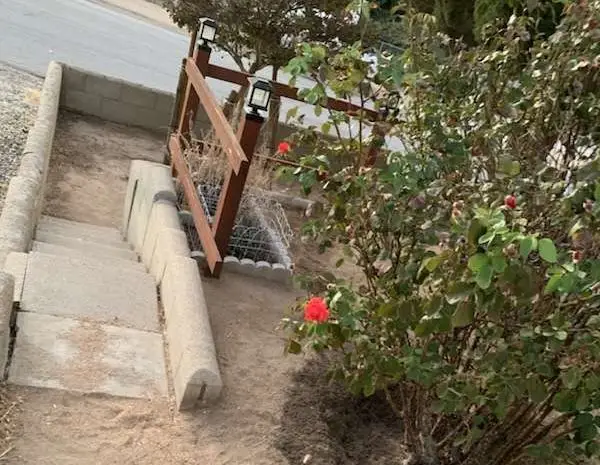
    Rosebush with steps leading to lower level.

    Get Started: Tips, Tricks, & How-Tos for Any Landscape Artist.

    Ready to reap the rewards of manual labor?

    Here are some practical tips to get started.

    Whether you are a seasoned pro or beginner: 

    Planning & Preparation are Key:

    • Know Your Zone: First and foremost, understand the local climate along with planting zones to choose plants that will grow.

    • Assess Your Soil: Healthy soil is the foundation of a healthy yard. Therefore, contemplate getting a soil test to understand its composition and pH levels. This information determines if you need to add amendments.

    • Plan Your Layout: Before you start digging, keep in mind about the functions of different areas in your yard. Where can you find peace? Where can you build a space to thrive?

    • Gather Quality Tools: Finally, this stage, invest in quality tools that are comfortable and suitable to use for the tasks you will be doing. Essential tools include gloves, a trowel, a shovel, pruning shears, a rake, lastly a lawnmower.

    A visual for optimal growth while conserving water.

    Lawn Care Basics:

    • Mowing: Mow at the correct height for your grass type – cutting too short can stress the lawn. Furthermore, keep the mower blades sharp for a clean cut. 

    • Water Wisely: To encourage strong root growth, water deeply & less frequently. Ideally, best time to water is early dusk or early dawn to reduce evaporation.

    • Fertilize When Needed: To conclude, performing a soil test determines if your lawn needs fertilizer & what type. However, don’t over-fertilize, this can harm your lawn & the environment. 

    • Tackle Weeds Early: Furthermore, to pull weeds when small, results in a much simpler task.

    • Aeration & Dethatching: Finally for lawn care, these practices improve air circulation, as well as water and nutrient absorption for a healthy lawn.

    In addition, the “one-third rule” is a good guideline: never remove more than one-third of the grass blade length at a time.

    This provides a visual of aeration and dethatching.

    Gardening for Growth:

    • Start Small: If you are new to gardening, begin with a few simple plants like herbs, marigolds, or simple vegetables like bush beans.

    • Choose the Right Location: Most vegetables & flowering plants need at least six hours of sunlight per day.

    • Prepare the Soil: Amend your soil with compost & other organic matter to improve its structure and fertility.

    • Water Consistently: Consequently, by keeping soil well-watered for new plants & seedlings. As a result, plants will thrive.

    • Mulch, Mulch, Mulch: Mulching retains moisture, suppresses weeds, and regulates soil temperature.

    • Prune for Health: Learn how to prune plants to encourage healthy growth & flowering.

    This rose bush looks better this year than last year.

    Tricks for Simple Yard Work:

    • Sharpen Tools: Sharp tools make every task simple and safe.

    • Work with Nature, Not Against It: Select plants that adapt well to your climate as well as soil conditions.

    • Create a Compost System: Transform yard waste & kitchen scraps into valuable compost enriching your soil.

    • Water Can Placement: Stow water cans strategically set around your yard for easy access.

    • Make it a Family Affair: Get everyone involved! Yard work is a great way to spend quality time to educate kids about nature & responsibility.

    • Listen to Your Body: Do not overdo it. Take breaks, stay hydrated, & know your limits.

    Ready to Get Your Hands Dirty?

    In coclusion, yard work is more than maintaining a property; it is an investment in your health, your home, and your connection to the natural world.

    All media was taken in October of last year.


  • The Unseen Weight: Understanding and Managing Anxiety

    The Unseen Weight: Understanding and Managing Anxiety

    Understand Anxiety

    The word “anxiety” can trigger a tightening in the chest, a quickening of the breath. It’s a pervasive feeling, a silent epidemic impacting millions globally. However, understanding anxiety, recognizing its symptoms, and learning coping mechanisms is the first step towards reclaiming control and finding peace.

    Anxiety isn’t simply feeling worried or stressed. While stress is a response to a specific event, anxiety is a persistent feeling of unease, nervousness, and apprehension that can impact daily life. However, those who are not aware of what it is. I can see why it is perceived as feeling both worried and stressed.

    It manifests in a myriad of ways, both physically & emotionally. 

    Common symptoms:

    • Physical: heart racing, shortness of breath, sweating, trembling, muscle tension, fatigue, digestive problems, headaches, and difficulty sleeping.
    • Emotional: Feeling overwhelmed, irritable, restless, on edge, difficulty concentrating, and lastly experiencing recurring negative thoughts or worries.

    The causes of anxiety are complicated. Genetic predisposition, life experiences like trauma or significant stress, and environmental factors all play a role. Furthermore, underlying medical conditions can sometimes contribute to anxiety symptoms.

    Types of anxiety disorders exist, including:

    • Generalized Anxiety Disorder (GAD): Excessive worry & anxiety about various events or activities for at least six months.
    • Panic Disorder: Characterized by recurrent unexpected panic attacks, often accompanied by intense fear and even physical symptoms.
    • Social Anxiety Disorder (Social Phobia): Overwhelming fear in social situations.
    • Specific Phobias: Intense fear of a specific object or situation.
    • Post-Traumatic Stress Disorder (PTSD): Develops after a traumatic event, which involves flashbacks, nightmares, and avoidance of reminders of the trauma.

    Managing Anxiety

    Fortunately, treatments are available. Therapy, particularly cognitive-behavioral therapy (CBT), is highly successful. CBT helps individuals identify and challenge negative thought patterns to develop coping mechanisms to manage anxiety. Medication, such as antidepressants & anti-anxiety medications, can also be beneficial, often used in conjunction with therapy.

    Beyond professional help, self-care strategies play a crucial role in managing anxiety.

     These include:

    • Regular Exercise: Physical activity releases endorphins, which results in mood-boosting effects.
    • Mindfulness and Meditation: Practicing mindfulness can help individuals be more aware of their thoughts as well as feelings without judgment.
    • Healthy Diet: Nourishing your body with a balanced diet can significantly impact mental well-being.
    • Sufficient Sleep: Aim for 7-9 hours of quality sleep each night.
    • Stress Management Techniques: Techniques like deep breathing exercises, progressive muscle relaxation, and yoga.
    • Social Support: Furthermore, connect with friends, family, or support groups that provide a sense of belonging and reduce feelings of isolation.

    Anxiety is a treatable condition. It’s essential to remember you are not alone, and help is available. If you are struggling with anxiety, reach out to a healthcare professional or mental health specialist. Taking the first step towards seeking support is a sign of strength and can lead to a more fulfilling and anxiety-free life.

  • Why ASICS Remains My Go-To Running Shoe, For Every Runner.

    Why ASICS Remains My Go-To Running Shoe, For Every Runner.

    Beginner Comfort

    Remember to rotate your shoes every 250-500 miles.

    asics black and blue shoe with orange accents
    asics black and blue shoe with orange accents

      Choosing the right running shoe is one of the most critical decisions any runner can make. It’s not just about comfort; the program primarily focuses on preventing injuries; furthermore, it enhances performance and ensures you enjoy every step. Whether you’re a beginner or have logged thousands of miles, it caters to everyone’s needs. As a result, you can feel confident in your journey toward better fitness.

    There are many options; however, I always find myself returning to ASICS.

    This isn’t just personal preference; it’s a choice backed by decades of innovation, as well as commitment to biomechanics. This is a diverse range that truly caters to every runner, from the tentative beginner to the seasoned marathoner. Well, that and I have always had great luck when it came to ASICS. A reliable brand that walks you through finding the best fit for your running needs. 

      ASICS built its reputation on a foundation of scientific research and a deep understanding of the human body in motion. The Institute of Sport Science in Kobe, Japan, serves as a hub of innovation by constantly analyzing gait cycles, impact forces, and anatomical needs. This isn’t just marketing; it translates into tangible benefits in their footwear. For years, their signature GEL technology has been a cornerstone of their cushioning system, strategically placed in high-impact areas like the heel and forefoot. This isn’t just soft foam; it’s a material designed to absorb shock effectively, dispersing the force of impact to protect your joints.

      For the amateur runner, this means a more forgiving ride. Those early miles can be tough on the body as it adapts to the demands of running. ASICS focuses on cushioning and stability, providing a protective buffer, helping to reduce the risk of common beginner injuries like shin splints or runner’s knee. Models like the GEL-Nimbus or GEL-Cumulus offer plush comfort that makes those initial runs feel more manageable and enjoyable, encouraging consistency and helping new runners build confidence and endurance.

    a pair of asics running shoes on top of a table
    a pair of asics running shoes on top of a table

      Furthermore, it’s not about cushioning for beginners. ASICS also excels in providing tailored support. Their range includes shoes with DUOMAX or LITETRUSS technology, designed to gently guide the foot and reduce excessive inward rolling (overpronation). This stability is crucial for many runners, regardless of experience level, ensuring a more efficient and safer stride.

      For the veteran runner, the benefits of ASICS extend beyond basic protection. Experienced runners often put in higher mileage and demand more from their footwear. ASICS technologies like FlyteFoam and FF BLAST offer lightweight, energetic cushioning that provides excellent responsiveness and energy return. This means less wasted energy with each step, contributing to improved performance and a feeling of propulsion, especially during longer runs or speed work.

    Durability & Consistency

    ASICS outsoles, often featuring AHAR (ASICS High Abrasion Rubber), are known for their resilience, offering reliable grip and longevity that holds up to consistent, high-volume training. Furthermore, ASICS offers a diverse lineup catering to specific needs—from the high-stability GEL-Kayano series to the speed-oriented METASPEED models with carbon plates for race day. This variety ensures that veteran runners can find a shoe precisely tuned to their training goals and biomechanics.

      Beyond the specific technologies, there’s a consistency in fit and feel across many ASICS lines that I personally appreciate. Finding a shoe that fits well is paramount, and ASICS generally offers a secure and comfortable lockdown without being overly restrictive. This reliable fit minimizes the chances of blisters or discomfort, allowing you to focus on your run.

      In conclusion, while the running shoe landscape is vast and competitive, ASICS distinguishes itself through a deep-seated commitment to scientific innovation, injury prevention, and lastly, catering to the diverse needs of the running community. Whether you’re gearing up for your very first mile or training for your tenth marathon, ASICS provides a combination of comfort, support, and durability, along with performance technology. This makes ASICS a consistently preferred choice for runners at every stage of their journey. It’s this blend of reliable protection and performance-enhancing features that keeps ASICS at the top of my list, and why I believe they are an excellent consideration for any runner looking for their next trusted pair of shoes.

  • The Fortune Cookie With No Fortune: A Sign or Just Bad Luck?

    The Fortune Cookie With No Fortune: A Sign or Just Bad Luck?

    No fortune

    A few nights ago, I cracked open a fortune cookie, expecting the usual cryptic wisdom or vague life advice. Instead, I got nothing. Just an empty shell. No tiny slip of paper. No message. No reassurance that “big things” were on the horizon.

    For a second, I stared at the hollow cookie, wondering what this meant. Was it a bad omen? A cosmic joke? Had the fortune-writing machine at the factory just run out of paper?

    What Does It Mean When a Fortune Cookie Has No Fortune?

    Naturally, I did what any rational person would do—I Googled it. Turns out, I’m not the only one who has experienced this unsettling lack of fortune. Some say it means you create your destiny. Others believe it’s a sign of bad luck. A few just chalk it up to a factory mistake, which, honestly, is the most logical explanation.

    Still, the human brain loves patterns, and I couldn’t help but wonder if this was some sort of message. Maybe I’d been relying too much on external signs and needed to take more control of my own path. Maybe the universe was saying, “Stop looking for answers in a cookie and start making your own fortune.”

    The Superstitions Behind a Missing Fortune

    If you believe in superstitions, the absence of a fortune can mean a few things:

    • You are the master of your fate. No paper slip = no predetermined destiny. It’s all up to you.

    • A blank slate. A fresh start. The future is wide open.

    • Bad luck. Some say a missing fortune is a warning sign, but that’s a little too ominous for me.

    • A simple factory error. Sometimes, the truth is just that boring.

    So, what did I do?

    I laughed, ate the cookie, and decided that I didn’t need a mass-produced message to tell me what’s coming next. But it did remind me of something important: We look for meaning everywhere, even in the smallest things. Sometimes, life is just random, and sometimes, it’s up to us to create the meaning ourselves.

    Next time, though, I wouldn’t mind at least a generic “Good things are coming your way.” Just for reassurance.

    Have you ever opened a fortune cookie without a fortune? What did you take from it? Let me know in the comments!

  • Natural Wellness: How Shaklee Can Transform Your Health

    Natural Wellness: How Shaklee Can Transform Your Health

    Why I Chose Shaklee

    In today’s fast-paced world, maintaining a healthy lifestyle can feel overwhelming. Between juggling work, family, and personal commitments, it’s easy to let wellness take a backseat. However, what if you could support your health with high-quality, science-backed products designed to nourish your body naturally?

    That’s exactly what Shaklee offers—a holistic approach to wellness rooted in nature and backed by science. 

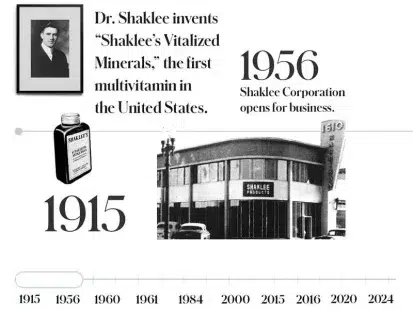
    I found Shaklee—a company with over 60 years of experience in natural nutrition, green cleaning, and sustainable living.

    What stood out to me was their commitment to:

    ✔️ Pure Ingredients—Every product undergoes rigorous testing for safety, along with purity.

    ✔️ Scientific Backing—Over 100 clinical studies support the effectiveness of their supplements.

    ✔️ Sustainability—Shaklee is carbon neutral and dedicated to protecting the planet.

    My Favorite Shaklee Products

    If you’re new to Shaklee, here are some must-try products that have made a real difference in my daily routine:

    Vitalizer™—The The Ultimate Daily Nutrition Pack

    Packed with essential vitamins, minerals, omega-3s, & probiotics, this all-in-one solution helps boost energy and support immunity, ultimately promoting overall wellness.

    Life Shake™—A  Complete Meal in Minutes

    Perfect for busy mornings, this plant-based protein shake provides 20 g of protein and fiber, along with 24 essential vitamins & minerals—all in one delicious serving.

    Get Clean® Basic H²®—The The Multi-Purpose Green Cleaner

    Ditch the harmful chemicals! This all-natural, biodegradable cleaner replaces dozens of household cleaning products while being safe for your family as well as the environment.

    How Shaklee Can Support Your Health Goals

    Whether you are looking to increase energy, support immunity, lose weight, or simply feel your best, Shaklee has something for everyone. Their personalized health assessments make it easy to find the right products for your needs.

    And the best part? You don’t have to figure it out alone! I’m here to help you navigate Shaklee’s offerings and find the perfect fit for your lifestyle.

    Ready to Start Your Wellness Journey?

    Lastly, if you’re looking for natural and science-backed solutions for better health, I’d love to help! Check out my Shaklee website to explore products, take a free health assessment, or reach out with any questions. Link below.

    Your wellness matters—let’s take this journey together!

    https://us.shaklee.com/site/hinkeylife/storefront

    Shaklee Storefront Banner.
  • A Life in the Shadows:

    A Life in the Shadows:

    Finding Myself Beyond Family, Love, & Work.

    Growing up, I always felt like an outsider in my own family. It was not just the usual sibling rivalries or parent-child disagreements—it was something deeper. I was different, and that difference made me an afterthought.

    On my dad’s side, being Mormon was the unspoken currency of love and acceptance, and I did not have it. I was never a part of their faith, which meant to me I was never fully part of them. Love felt conditional, as if I had to earn it in ways I never could. No matter what I did, it was never enough. 

    Digital collage of a man looking at a mountain landscape, combined with illustrations of family, love hearts, and cinema reel for storytelling or emotional themes
    AI Generated photo of self-discovery.

    The Family That Never Saw Me

    If my dad’s family made me feel like an outsider, my mom and sister made home feel like a battleground. Their narcissism turned every interaction into a power struggle. Affection was never freely given—it was a tool they used to control and manipulate. And in that dynamic, I was always the one left empty-handed.

    Birthdays and holidays weren’t days to celebrate; they were reminders. While others experienced warmth and connection, I felt distant. Christmas as well as thanksgiving were never magical nor comforting; and birthdays felt more like obligations than celebrations. I never expected much from those days, and somehow, they still managed to disappoint. As I got older, the gifts I got from them were more expensive as I felt they realized how they were and are making up for past mistakes. Demands as well, on what I wanted to do for those days were heavily pushed on me. 

    I would like to share a link to my post on anxiety. unseen weight understanding and managing anxiety


    Love That Left Scars

    If family set the foundation, relationships built the walls around me. Every relationship I have had seemed to follow the same destructive pattern—either I was the one causing damage, or I was the one picking up the pieces. It was never healthy, never fulfilling.

    I wanted love but love always felt just out of reach. Maybe I was drawn to broken people, or maybe broken people were drawn to me. Either way, the outcome was the same: misunderstandings, toxicity, and heartache. Love felt like a battle, and I was left wounded. That alone made me feel like a mechanic for the person to repair them for the next one. 

    A Career Without a Future

    Work should have been my escape, a place where effort led to success, where I could prove myself. But even there, I found myself stuck. While reaching for an opportunity, it was taken away before I could grasp it.

    I worked hard. I showed up. I gave my best. Unfortunately, it was never enough. Promotions passed me by, recognition never came, and I felt like I was always starting over, no matter how much experience I gained. The quiet firing led to making work miserable whereas, I had to stop my tasks to finish other individual’s tasks. The days and hours I worked got more and more distant. Not really a livable wage.

    Finding Myself in the Wreckage

    I won’t tie this story up with a neat little bow because life isn’t like that. I’m still figuring things out. I still have wounds that have not fully healed. But what I do know is this: I am more than what I have been through.

    I may never have had the family I wanted, the love I needed, or the career I dreamed of. But I have myself. And for the first time, I am learning that maybe, just maybe, that’s enough. I find myself looking into therapy but unsure of how I should go about it. It makes me nervous thinking about the process of it.

  • Why Shaklee Is the Wellness Brand You need in 2025

    Why Shaklee Is the Wellness Brand You need in 2025

    Shaklee HinkeyLife.

    In a world overwhelmed by wellness trends, it is easy to feel lost in the shuffle of fleeting fads along with overhyped products. However, upon entering 2025, one brand stands out for its enduring commitment to science-backed health solutions and sustainability: Shaklee. A legacy that spans many decades, the corporation is not just a wellness company—it is a pioneer that has consistently delivered products rooted in innovation, quality, and care for the planet.

    Shaklee Hinkey Life Storefront.

    Personal Experience

    Growing up, I have been around Shaklee products. Whether it was cleaning products, sports supplements, or even the everyday vitamins. It was around in some way. My mother suffers from rheumatoid arthritis and fibromyalgia. Furthermore, she states the effects can be felt immediately after ingesting. That says so much, especially in today’s medicine. It is a pill for everything, with that pill having another issue to deal with.

    You get the gist. One pill after the other.

    Shaklee isn’t just a brand—it is a philosophy being woven into our daily lives. From the vitamins on the counter to the eco-friendly solutions we use for cleaning the house. Shaklee played a significant role in shaping how I see health, sustainability, and entrepreneurship today.

    I understand there might be sites similar to it that deliver similar results. To conclude, I am not selling nor advertising. However, I am assisting others to live a healthier and younger lifestyle. Furthermore, this provides a door of opportunity in which people can explore the products along with the benefits.


    Health Benefits.

    Shaklee home products are backed by extensive scientific research and positive customer testimonials. They offer a range of supplements and vitamins that support overall health, including heart health, cognitive health, and immune support. Shaklee Corporation (2007). The Landmark Health Studies have shown that long-term users of Shaklee have better health outcomes compared to non-users. In addition, I recall taking the sports nutrition products during a training season prior to cross-country. I shaved anywhere between three to five minutes off my personal records for a three-mile run as well as a five-mile run.

    Shaklee Corporation (2007). The Landmark Health Studies. Shaklee Corporation.

    Sustainability.

    The organization has been committed to environmental stewardship since its founding in 1956. Shaklee became the first company in the world to be certified Climate Neutral. That said, they offset their CO₂ emissions to achieve a net-zero impact on the environment.

    Shaklee uses eco-friendly packaging, renewable resources, and green manufacturing practices, minimizing their ecological footprint. Basic H2 Biodegradable

    Trustworthiness.

    Shaklee products undergo rigorous quality testing to ensure safety, purity, and potency. The company offers a 100% money-back guarantee, even if the product is completely used up. Customer reviews, along with ratings on platforms like Trustpilot and consumerlab.com, reflect high satisfaction with the effectiveness and quality of Shaklee products.

    Curious to see how Shaklee can improve your health and your home?

    Please, don’t forget to visit my Shaklee website page. https://us.shaklee.com/site/hinkeylife/storefront

    shaklee hinkeylife business card
    shaklee hinkeylife business card
  • Exploring Monache Meadows.

    Exploring Monache Meadows.

    Sierra Nevada.


    Camping Paradise

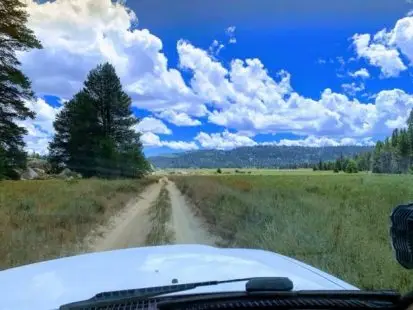
    Nestled in the heart of the Sierra Nevada Mountains, Monache Meadows offers an escape for

    fly fishing enthusiasts and campers alike. To include pristine waters, abundant wildlife, and stunning landscapes.

    a grassy meadow in front of a forest and mountains under a cloudy sky
    a grassy meadow in front of a forest and mountains under a cloudy sky


    This gem promises an unforgettable outdoor experience.

    My embarkation to Monache began when I was ten years old. At the time, I was not fly fishing. That’s right, I was a little spin-casting lad. The memories made at the time will forever hold a special place in my heart. As a child, it was fascinating to see and experience the many adventures this place has to offer.

    The fishing was off the hook. (No pun intended)

    To include, the various trout species in the river are a fisherman’s paradise. All the Brooks, Browns, Rainbow, and Golden Trout you can reel in are just one more thing to cherish. For more exciting places to fish the Kern River, check out Casting Memories Fly Fishing

    Fun Fact:

    The Golden Trout is the California state fish.

    The fish is a beautiful species of trout known for its vibrant colors and small stature (no bigger than your hand), and lastly, it is native to the waters of California’s Sierra Nevada. However, do not let their small size fool you. They can pack a fight at the end of your line. Furthermore, I have heard of places that are quite remote and require hiking to access. Their waters can get golden trout at thirteen inches in size. To elaborate, that is a Golden Trout I would love to land.

    a small fish with a slender body lies on a rough gray rock or concrete surface the fish has dark vertical markings along its sides and a light colored belly
    a small fish with a slender body lies on a rough gray rock or concrete surface the fish has dark vertical markings along its sides and a light colored belly

    a small orange camping tent pitched on a dirt campsite with a foldable camping chair to its left the tent is set near a tree in a wooded area and there are rocks and dry ground around
    a small orange camping tent pitched on a dirt campsite with a foldable camping chair to its left the tent is set near a tree in a wooded area and there are rocks and dry ground around

    Fly Fishing

    Fast forward to my twenties, the second embarkation to Monache Meadows. The journey began with a winding drive through dense forests and rugged terrain. While the sun was rising, thus illuminating the meadow’s lush grasses, at that moment, I knew the trip would be a memorable adventure yet again. As we arrived at our campsite to prep our essentials to stay the night and fish in the morning. The following morning, we were greeted by the sounds of nature, along with the river in the background.

    That is a twenty-four-hour all-access white noise machine.

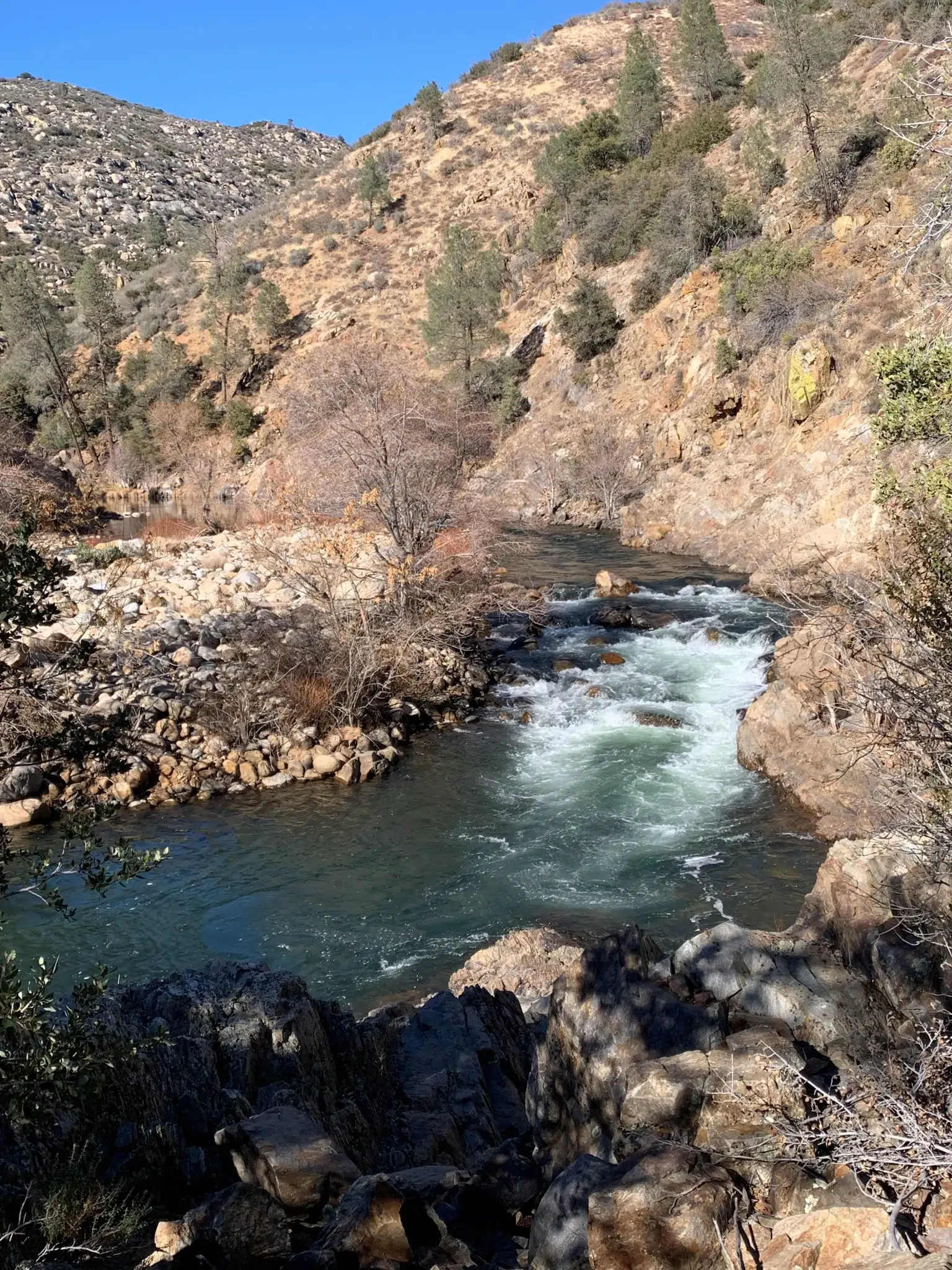
    As we march upstream, the crystal-clear waters of the South Fork Kern River are teeming with trout, making it a fly fisher’s dream. That sound is coming from your reel as you let line out to cast. Nothing beats that sound. I spent hours casting my line, mesmerized by the gentle flow of the river. Our reign in Monache Meadows came to an end as the weekdays were quickly approaching. The fishing, on the other hand, was not the best due to the number of people being there, followed by the storm that was passing through.

    Although it does not change the fact, Monache Meadows will always be a fisherman’s paradise. In addition, anyone should have their adventure in Monache and share their experiences. Furthermore, please have respect for not only the land but also the river as well. Lastly, if you are camping around others, show respect.

    medium.com/@ryan-jay

  • Casting Memories: Fly Fishing

    Casting Memories: Fly Fishing

    Johnsondale Bridge.

    Casting memories Fly fishing: river and mountains. Scenic river landscape with rocky banks and a bridge in the distance, perfect for a fly fishing adventure
    photo of Johnsondale Bridge

    Fly fishing is an art.

    Fishing has always been an all-time favorite hobby of mine. It has been a way to destress and unwind after a rough week. The thought of getting outside for the day to do nothing but hike and fish was anxiously waiting to arrive. Upon arriving at the bridge, you are greeted with the sound of rushing rapids echoing throughout the canyon and the crisp, cool air around you. Lastly, the feeling of a fish waiting just to bite your fly or hook (however you fish) is a feeling to look forward to having.

    I was first introduced to fly fishing through the movie “A River Runs Through It” (1992), directed by Robert Bradford and starring Brad Pitt and Craig Sheffer. The story of fly-fishing brothers is both visually and emotionally compelling.” I thought the method of fly fishing was unique. It has its own casting method. A simple ten-and-two motion with the arm. Not to mention the flies (hooks) resemble certain insects around the river. That is important to understand, as certain seasons will require you to identify which fly will be more effective.

    So, I got a simple fly rod from Walmart, where it comes with everything you need to get started. Once, I had everything I needed to get started. I would spend hours practicing, perfecting that ten-and-two motion cast. I got it down pretty well. Well worth it, speaking of the blisters I had. That hard work paid off. My dad and I went to Johnsondale Bridge one early morning. I was set on landing a rainbow trout with a fly rod. For more on fishing and exclusive sites, please read on. Exploring-Monache-Meadows

    Casting memories Fly fishing: river and mountains. Scenic river landscape with rocky banks and a bridge in the distance, perfect for a fly fishing adventure

    First Rainbow Trout on a Fly Rod

    It was not until forty-five minutes upriver that we stumbled across a promising portion of the river, which we thought would be a perfect place to start fishing. So, we decided to set our rigs up and cast our lines. It was the perfect time and place, as the sun just started to hit the water. I started to get enough line out for a decent cast. It was my first ever cast on the river with a fly rod, and I landed a rainbow trout.

    As a kid, I was ecstatic yet shocked; I didn’t expect it to be that quick. After that, I was landing them left and right. Sadly, my streak did come to an end as the sun got higher in the sky and the water got a bit murky. The fish took their feeding to the depths. I could not for the life of me find a fly that was for that condition.

    The fly that was a big hit for the trout is the Dave’s Hopper #10. This little fly is very identical to a grasshopper. Yeah, that is the point. However, it is just wild to me how closely they got it to resemble one. The structure is very articulate, not to mention the legs and wings are pretty realistic. Anyways, that is my story on fly fishing at the Johnsondale bridge. If I were to suggest anything to anyone, it would be to study up on fly fishing. Whether it is the techniques, what flies would be best, (varies on season), how to fix errors and mistakes, etc.

    Most importantly, bring water to stay hydrated while hiking on this trail.

    medium.com/ryan-jay

  • My Time in Lake Tahoe

    My Time in Lake Tahoe

    A Town Nestled in the Sierra Nevada Mountains.

    I was offered the opportunity to visit Tahoe for a professional engagement.

    It was work; I wanted to sound formal.

    The town is accompanied by pleasant, caring locals. Lake Tahoe offers a blend of tranquility along with adventure that is indescribable anywhere else.

    The experience not only allowed me to witness firsthand the destination’s natural splendor. Before my first day on the job, I scheduled an oil change and set out, ready to embrace the next chapter. The six-hour drive along Highway 395 offered a beautiful tapestry of history and varied scenery, making the journey as memorable as the destination.

    Many people may know this, but information is information. Did you know that if you bring your own oil and oil filter. The oil change will only be about $20—$25. It does vary obviously, but still, at least you know what is going on in your car.

    Tranquil Water of Lake Tahoe


    My Arrival

    I was greeted with a heartfelt welcome. It was a better atmosphere to be working in. Everyone works together and helps one another; it was relieving to witness a company live up to its word, rather than paint over it. Not to mention, whenever events are about to end, the kitchen staff will gather any leftover food to feed employees. It is amazing the staff does that; most places will just waste it.

    The work consists of event setup for various entertainment needs.

    The events would consist of hockey games, concerts, conventions, and even corporate events. The behind-the-scenes setup in the entertainment industry is always a memorable process. You get to visualize firsthand how everything comes together. It’s about shaping an experience for people who have come out to enjoy themselves. That said, it’s a field characterized by constant change; you never know what the day will bring.

    Tahoe Blue Event Center: Home of the Knight Monsters.


    Conclusion

    My stay lasted a whole month. By now, I know what you are thinking. I should have stayed longer. As for myself, it took about a day to really feel that I belonged there. The month’s stay felt like six years. Working at a different venue with high employee morale was a positive experience. However, I will remember the locals and their treatment of others.

    One time, while I was driving to work. Upon leaving a 7/11, I noticed a pedestrian walking. Keep in mind, he had the right-of-way; he could have taken his time. I was not in a rush. However, he decides to pick up the pace. As for myself, I did admire the gesture. He was staying alert and paying attention to his surroundings. Elsewhere, they linger, eyes glued to their phones. Looking ahead, I’m certain I’ll be planning another trip out there.

    This blog is also on my Medium page; please check it out. medium.com/@ryan-jay